
Origins of Anubis in Egyptian mythology
In the religious history of ancient Egypt, Anubis is considered one of the oldest gods in the pantheon. His cult dates back to the first dynasties of the Old Kingdom, a period when funerary beliefs already held a central place in society. At that time, Egyptians placed immense importance on preparing the body after death, because they believed the soul could only survive in the afterlife if the body was preserved.
The link between Anubis and the jackal likely stems from observing the animals that roamed around the necropolises. The ancient Egyptians transformed this image into a protective symbol, imagining a deity capable of watching over tombs and preventing their desecration. Thus, the jackal head became a distinctive element of the god.
Initially, Anubis was even considered the principal god of the dead. Before the rise of Osiris in Egyptian mythology, he was the one who ruled the realm of the deceased. With the evolution of religious beliefs, his role transformed, but he retained an essential function: guiding souls and protecting burial sites.
This evolution shows the flexibility of Egyptian religion. The functions of the gods could change according to different periods and local traditions. Despite these transformations, Anubis remained a key figure in the funerary world and Egyptian spirituality.
The earliest representations of Anubis
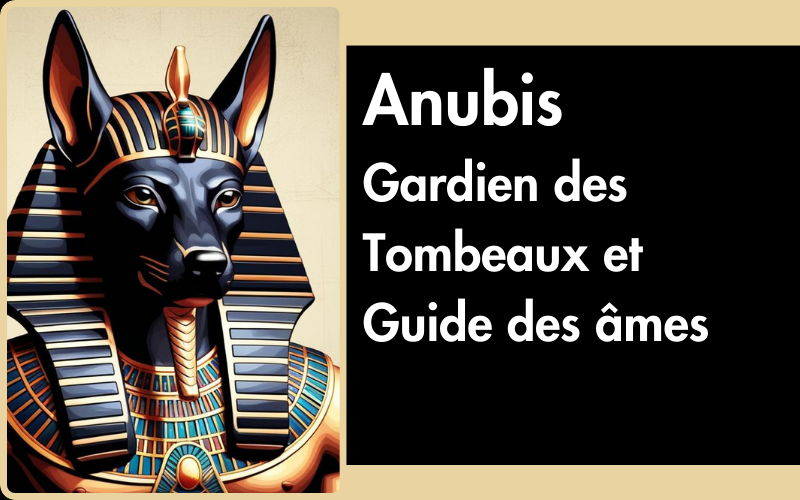
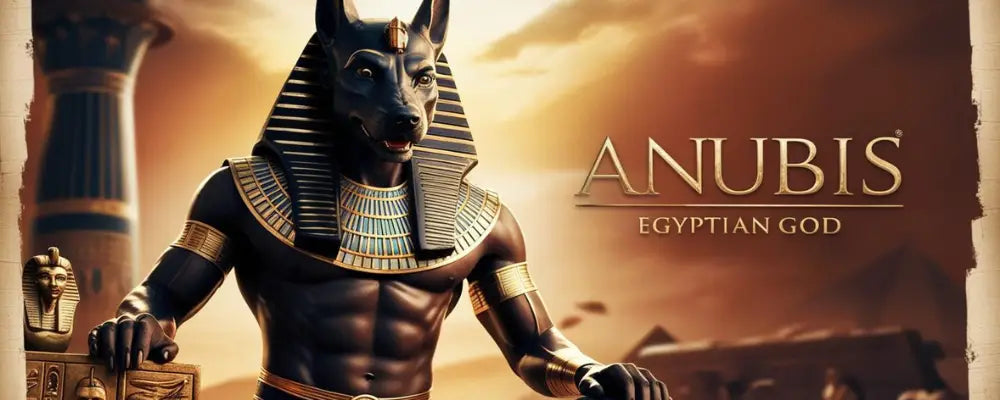
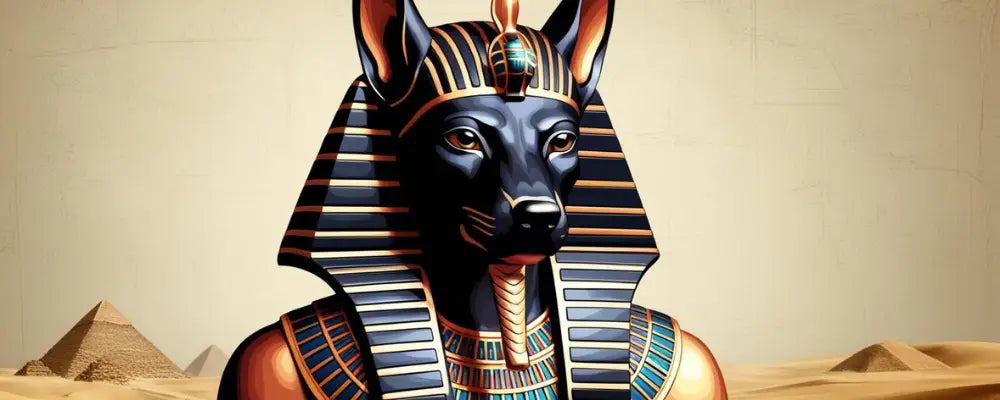
The earliest images of Anubis appear in royal tombs and funerary monuments dating from the Old Kingdom. These representations generally show the god in the form of a man with a human body and the head of a black jackal. This color was not chosen by chance, as it symbolized the fertility of the Nile and rebirth.
In Egyptian art, every detail has religious significance. The posture of Anubis, often represented lying down or in a guarding position, indicates his role as protector of burial sites. He is also found on amulets, sarcophagi, and funerary papyri. These images were intended to ensure the spiritual safety of the deceased during their journey to the afterlife.

The role of Anubis in mummification
Mummification is one of the most famous aspects of Egyptian civilization. This complex ritual aimed to preserve the body so that the soul could continue its existence after death. In this process, Anubis held a central place. The embalming priests considered him their protector and often invoked his blessing before beginning the preparation of the body.
According to mythology, Anubis himself mummified the body of Osiris after he was murdered by Seth. This mythological event explains why he became the patron of embalmers and the guardian of funerary rites. Priests sometimes wore masks representing the god's head to symbolize his presence during the ceremony.
Mummification was not just a technical practice. It also held a very important spiritual dimension. The Egyptians believed that the soul had to recognize its body to live in the afterlife. Thanks to the protection of Anubis, the deceased could undergo this transformation in complete safety.
Funerary rituals also included prayers and incantations intended to call upon the god's protection. These sacred texts guided the soul on its journey to the afterlife and strengthened the connection between the world of the living and the world of the dead.
The stages of mummification
Mummification was a long and precise process that could last several weeks. Each stage had religious and symbolic meaning. The embalming priests acted as representatives of Anubis, ensuring the protection of the deceased during the transformation of the body.
The main stages of the ritual were:
-
purification of the body with sacred water
-
removal of internal organs to prevent decomposition
-
desiccation of the body with natron
-
wrapping the body in linen bandages
-
placement of protective amulets in the bandages
These practices were intended to ensure that the soul could continue its existence in the afterlife. Thanks to the protection of Anubis, the deceased was prepared to face judgment and enter the realm of the dead.
Anubis and the judgment of the dead
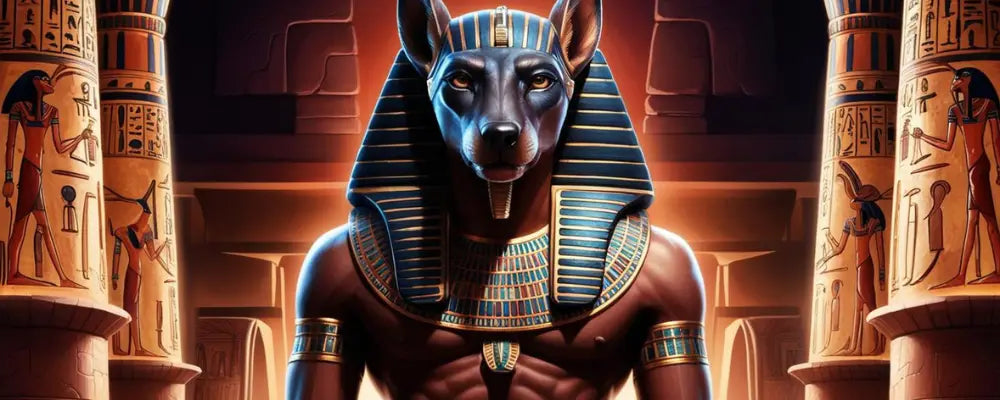
In Egyptian mythology, the most important moment of the soul's journey is the judgment of the dead. After death, the deceased had to appear before a divine tribunal to determine if they deserved to enter the eternal kingdom. In this ceremony, Anubis played an essential role.
The god led the soul into the judgment hall, a sacred place where the scale of Maat was located. On one side of the scale was the heart of the deceased, considered the seat of conscience and human actions. On the other side was the feather of Maat, a symbol of truth and justice.
Anubis carefully watched the balance of the scale to ensure a fair judgment. If the heart was as light as the feather, the soul could join the realm of Osiris and live in eternity. Conversely, if the heart was too heavy, the creature Ammit would devour the heart, condemning the soul to disappear.
This ritual shows the moral importance of life on Earth in Egyptian religion. Every action had consequences in the afterlife. Thanks to his role as guide and protector, Anubis guaranteed that divine justice was respected and that souls followed their destiny.
Deities present during the judgment
The judgment of the dead involved several important deities of Egyptian mythology. Each had a precise role in this sacred ritual, ensuring that the final decision was fair and in accordance with the cosmic order.
The main deities present were:
-
Anubis, who guided the soul and watched the scale
-
Osiris, ruler of the realm of the dead and final judge
-
Thoth, god of wisdom in charge of recording the verdict
-
Ammit, a creature tasked with punishing souls judged impure
This ceremony symbolized the balance between justice and universal order. Thanks to the presence of Anubis, the process was protected and respected, ensuring that each soul received the judgment it deserved.
Symbols and representations of Anubis
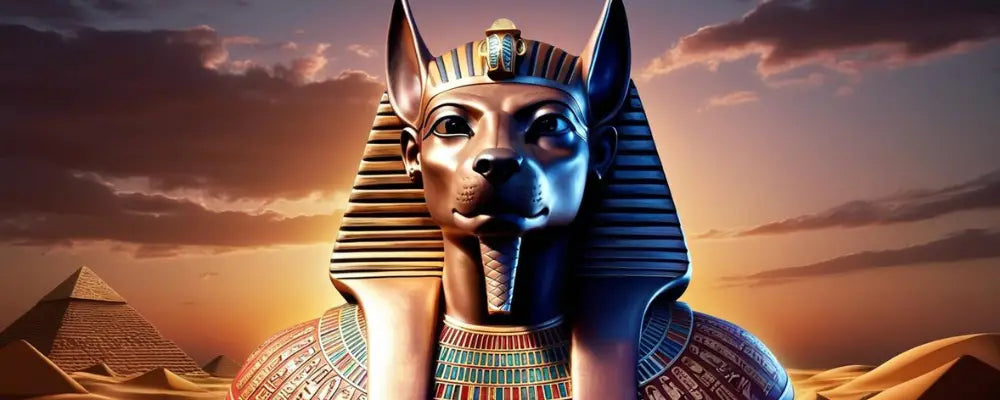
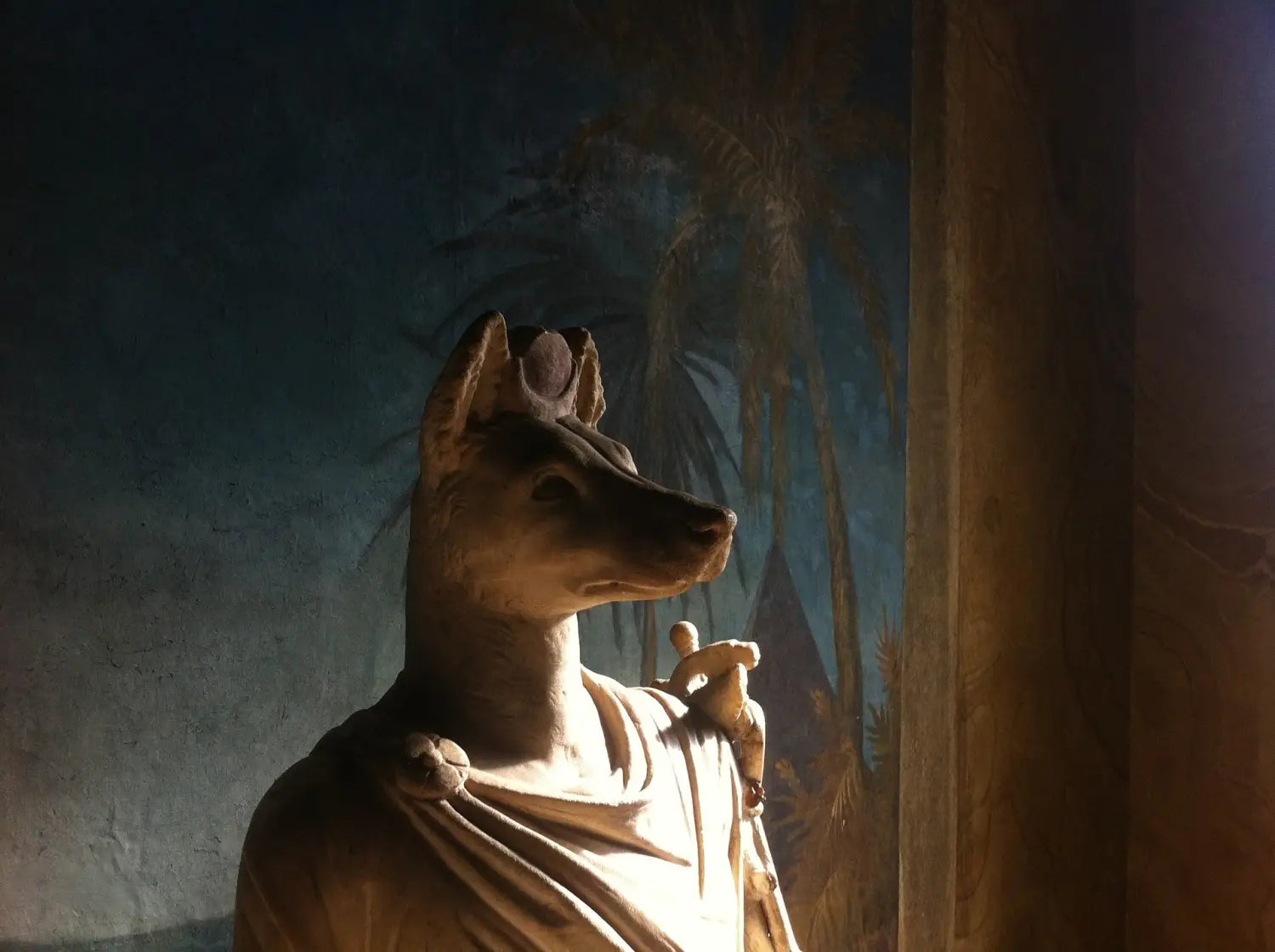
The symbolism of Anubis is deeply linked to the religious beliefs of ancient Egypt. His most famous representation is that of a man with a human body and the head of a jackal. This animal was associated with necropolises located in the desert, which led the Egyptians to consider it a natural protector of tombs.
The black color of Anubis also holds significant meaning. In Egyptian culture, black symbolized fertility and rebirth, as it reminded people of the fertile soil left behind by the flooding of the Nile. This color therefore evoked spiritual transformation and the possibility of a new life in the afterlife.
The god is often represented lying on a shrine or watching over a sarcophagus. This posture symbolizes his function as a guardian of tombs and protector of the deceased. His image is also found on amulets, statues, and funerary objects.
These representations were not just decorative. They held religious and magical significance. Egyptians believed that the image of Anubis could truly protect the deceased and ward off evil forces during the journey to the afterlife.
Sacred objects associated with Anubis
Several symbols were linked to the cult of Anubis in ancient Egypt. These objects often appeared in tombs or funerary ceremonies because they represented divine protection.
The main symbols were:
-
the Was scepter, a symbol of divine power
-
the Ankh, representing eternal life
-
the funerary bandages used during mummification
-
the protective amulets placed in tombs
These objects recalled the protective presence of the god and reinforced the sacred dimension of funerary rites.

The cult of Anubis in ancient Egypt
The cult of Anubis held an important place in the religion of ancient Egypt. Funerary ceremonies often included prayers and invocations addressed to the god to ensure the protection of the deceased during their journey to the afterlife. Embalming priests maintained a special bond with this deity, as they were responsible for preparing bodies for eternity.
The city of Cynopolis, whose name means "city of the jackal," was one of the main centers of worship dedicated to Anubis. Inhabitants organized religious ceremonies and offerings there to honor the deity. Temples and statues representing the god have also been discovered in different regions of Egypt.
Egyptians believed that Anubis watched over graves and protected burial sites against grave robbers. This belief reinforced respect for funerary sites and highlighted the importance of death in Egyptian culture.
Religious rituals often included sacred texts called "Books of the Dead." These writings contained magical formulas intended to guide the soul and obtain the god's protection during the journey to the afterlife.
Rituals dedicated to Anubis
Religious practices related to Anubis were an integral part of funeral ceremonies. Their purpose was to honor the deity and ensure safe passage to the afterlife.
The main rituals were:
-
offerings of food and incense
-
prayers recited by funeral priests
-
purification of the deceased's body
-
invocation of the god during mummification
These practices strengthened the connection between the world of the living and the world of the dead, while affirming Anubis's protective presence.

FAQ about Anubis the Egyptian God: Guardian of the Tombs and Guide of Souls
Before exploring the figure of Anubis in more detail, it is useful to answer the questions that internet users often ask about this fascinating Egyptian god. Present in many myths of ancient Egypt, Anubis occupies a central place in beliefs related to death, funeral rites, and the passage to the afterlife. His jackal-headed image and his role as guardian of the tombs still generate a great deal of curiosity today.
Over the centuries, historians and mythology enthusiasts have tried to better understand the importance of this god in Egyptian religion. How did the ancient Egyptians perceive Anubis? Why was he associated with mummification and the judgment of the dead? What symbols and legends are linked to this mysterious deity?
The following section gathers the questions most searched for by internet users regarding Anubis and his role in Egyptian mythology. These answers provide a better understanding of his origin, powers, symbols, and place in the Egyptian pantheon.
This FAQ will thus help you deepen your knowledge of Anubis, guardian of the tombs and guide of souls, while providing clear and accessible explanations of the beliefs of ancient Egypt.
Who is Anubis in Egyptian mythology?
Anubis is the Egyptian god of funeral rites and mummification. He protects the tombs and guides souls toward judgment in the afterlife. His main role is to accompany the deceased and ensure their heart is weighed during judgment.
Why does Anubis have a jackal head?
Anubis's jackal head comes from the association between this animal and Egyptian necropolises. Jackals were often observed near tombs, which led the Egyptians to make them a symbol of the protection of burial sites.
What is Anubis's role in mummification?
Anubis is considered the protector of mummification. Embalming priests would invoke his name during funeral rites to ensure the protection of the deceased and the success of the process.
Is Anubis the god of the dead?
Originally, Anubis was associated with the realm of the dead. Later, this role was attributed to Osiris. Anubis then became the guide of souls and the guardian of the tombs.
Why is Anubis depicted in black?
Anubis's black color symbolizes rebirth and fertility in Egyptian culture. It evokes the transformation of the deceased and the passage to a new life in the afterlife.
Is Anubis a good or evil god?
In Egyptian mythology, Anubis is neither an evil nor a dangerous god. He is considered a protector of the dead and a spiritual guide. His role is to help souls reach the afterlife and ensure a fair judgment.
Who are Anubis's parents?
In several versions of the mythology, Anubis is the son of Osiris and Nephthys. Some traditions state that Nephthys took the appearance of Isis to seduce Osiris. This origin explains the strong link between Anubis and the funeral rites associated with Osiris.
What are Anubis's powers?
Anubis possesses powers related to death and the afterlife. He protects the tombs, supervises mummification, and guides souls toward the realm of the dead. He is also tasked with overseeing the weighing of the heart during the judgment of the deceased.
Where did Anubis live in Egyptian mythology?
In mythology, Anubis is associated with the Duat, the underworld where the dead reside. It is in this realm that he guides souls and participates in the final judgment before their entry into the afterlife.
What symbols represent Anubis?
Several symbols are associated with Anubis, notably the ankh, which represents eternal life, and the scales used during the judgment of the dead. He is also sometimes seen with a scepter or mummification bandages, recalling his role in funeral rites.
Conclusion on Anubis the Egyptian God: Guardian of the Tombs and Guide of Souls
Anubis remains one of the most fascinating figures in Egyptian mythology. Protector of tombs, master of mummification, and guide of souls, he played an essential role in the religious beliefs of ancient Egypt. The ancient Egyptians considered death not as an end, but as a transition to a new existence, and Anubis was the guardian of this sacred passage.
His role in the judgment of the dead and in the protection of burial sites shows the importance of justice and cosmic order in the Egyptian religion. Through funeral rituals, prayers, and artistic representations, the god symbolized spiritual protection and the promise of eternal life.
Even today, the image of Anubis continues to captivate historians, artists, and mythology enthusiasts. His unique appearance and mysterious role make him one of the most recognizable symbols of ancient Egypt.
Throughout the centuries, Anubis remains a powerful symbol of the passage between life and death, reminding us of the spiritual and cultural richness of one of the most fascinating civilizations in history.