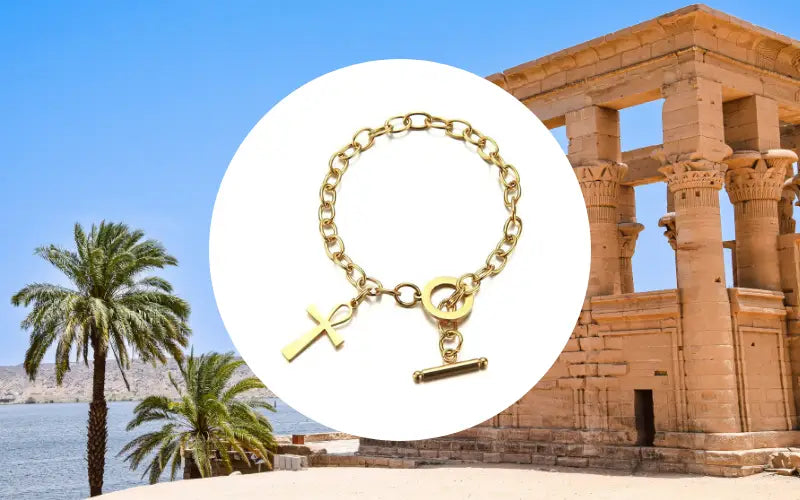

Egyptian bracelets hold a unique place in the history of jewelry. Heirs to a fascinating civilization, they embody beauty, spirituality, and symbolic power.
From the first dynasties to contemporary creations, these bracelets have spanned the centuries without losing their aura.
History of Egyptian bracelets
Egyptian bracelets date back over 5,000 years and held an important place in Ancient Egyptian society. At that time, jewelry was not just decorative: it also served as social markers, ritual objects, and protective talismans. Early archaeological discoveries reveal bracelets made of copper, faience, or gold, often decorated with religious symbols intended to protect the wearer and strengthen their bond with the deities.
The earliest models were simple and circular, made from natural materials such as bone, ivory, or wood. Their function was primarily symbolic, associated with spiritual protection. With the evolution of metallurgical techniques, artisans began to use copper and then gold, allowing for the creation of more durable and refined jewelry.
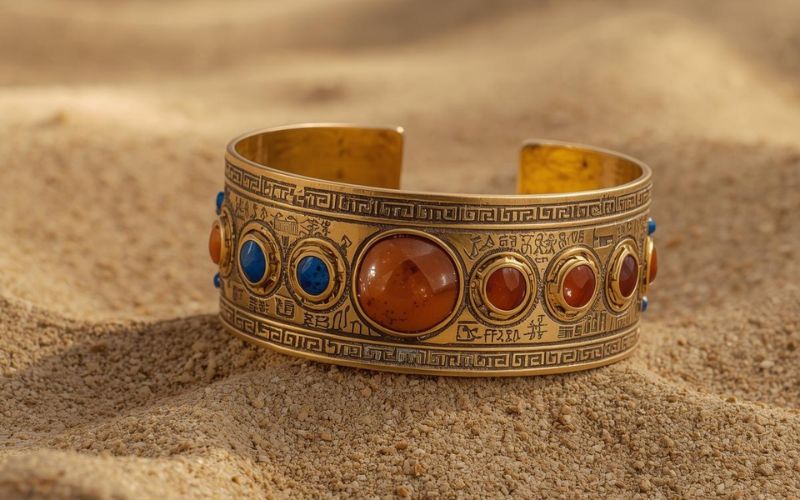
Over the dynasties, the bracelets evolved. During the Old Kingdom, they were rather massive and sober. The Middle Kingdom introduced colorful inlays and more elaborate motifs. During the New Kingdom, a period of artistic zenith, the bracelets became more sophisticated, adorned with semi-precious stones and religious symbols.
Symbols and meanings
Egyptian bracelets are closely linked to the symbolism of Ancient Egypt. Every motif, every shape, and every color had a precise meaning. For the Egyptians, jewelry was not just decorative: it was considered a collection of true amulets capable of influencing the wearer’s protection, health, or destiny. Wearing a symbolic bracelet thus allowed one to remain under the protection of the deities and benefit from their spiritual powers.
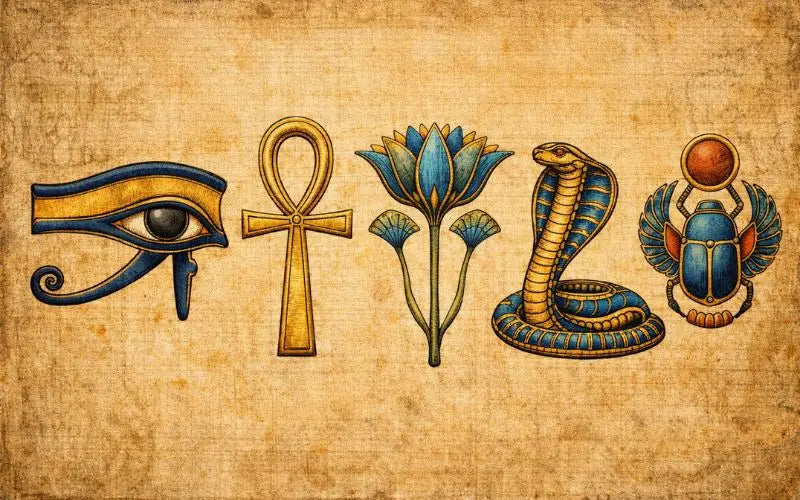
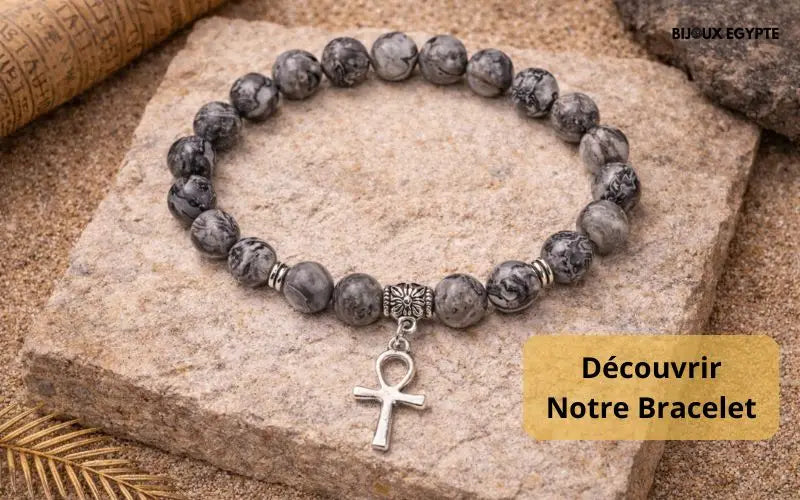
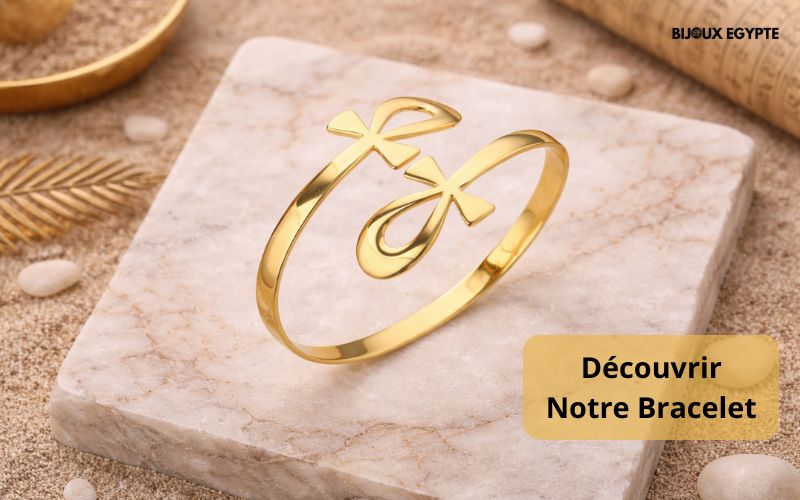
Several symbols were particularly used in the creation of these pieces. The Eye of Horus represented protection, healing, and clairvoyance. The scarab symbolized rebirth, transformation, and luck. The ankh, often called the cross of life, evoked eternal life and vital energy. The lotus embodied purity, renewal, and harmony, while the serpent was associated with power, royalty, and divine protection.
Bracelets therefore had an important spiritual role. They were worn during rituals, religious ceremonies, or in daily life to attract the protection of the gods. Some were also placed on mummies to accompany the deceased into the afterlife and ensure their protection in the life after death.
Traditional materials
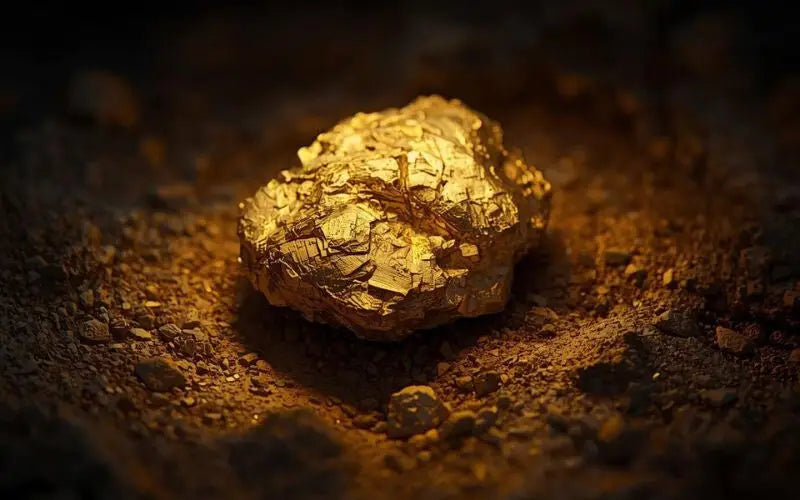
In Ancient Egypt, the materials used to craft bracelets reflected both social status, religious beliefs, and available resources. Gold held a central place in Egyptian jewelry. Considered the "flesh of the gods," it symbolized purity, divinity, and eternity, and was mainly reserved for pharaohs and the elite.
Other materials were also used to create jewelry rich in meaning, such as copper, associated with energy and vitality, or the widely used faience, whose colors symbolized protection and rebirth.
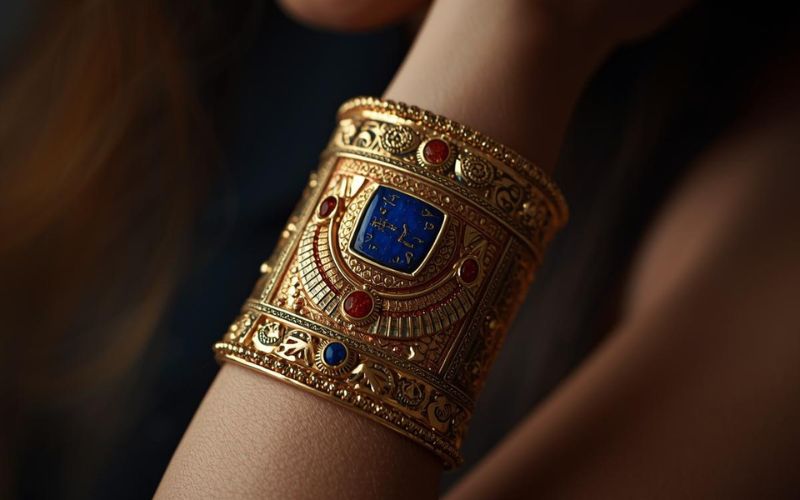
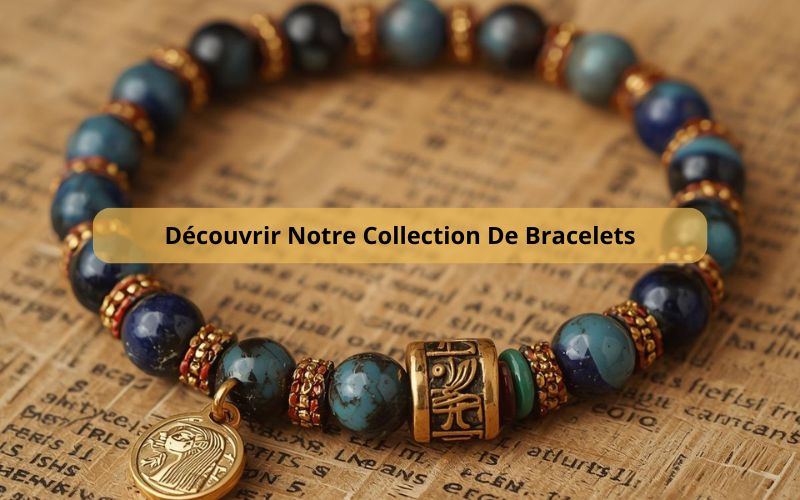
Egyptian artisans also used semi-precious stones to adorn bracelets. Lapis lazuli represented wisdom and royalty, turquoise was linked to luck and health, while carnelian symbolized energy and courage. Each stone was chosen for its symbolic value as much as for its beauty.
To craft these pieces, artisans mastered several techniques advanced for the time, such as casting, hammering, engraving, or stone inlay. The pieces were then hand-polished to achieve a lasting shine, revealing remarkable craftsmanship.
Artisanal manufacturing: heritage and expertise
The making of traditional Egyptian bracelets relies on ancient expertise passed down from generation to generation. In Ancient Egypt, artisans developed precise techniques to transform metals and stones into symbolic jewelry. Even today, some designers draw inspiration from these ancestral methods and combine them with modern tools to preserve the aesthetics and spirit of Egyptian jewelry.
The creation of a bracelet generally follows several essential steps. It all begins with the design of the motif, often inspired by Egyptian symbols or traditional shapes. The artisan then proceeds to model or cut the metal to shape the bracelet. Decorative stones can then be precisely inlaid before the final polishing, which creates a smooth, shiny surface. Finally, symbols or patterns are engraved to give the jewelry its full aesthetic and symbolic dimension.
Manual labor plays a central role in this process. Each bracelet bears the signature of the artisan who created it. Slight irregularities attest to the authenticity of the piece and the mastery of the artisanal craft, making these jewels particularly sought after for their unique character.
 Egyptian bracelets in daily ancient life
Modern renaissance of Egyptian bracelets
Today, Egyptian bracelets are experiencing a real resurgence in interest in modern fashion and jewelry. Many designers draw inspiration from the motifs and symbols of Ancient Egypt to conceive modern jewelry that retains the aesthetic and symbolic dimension of these historical pieces. This renaissance allows for the rediscovery of millennial symbols while adapting them to current trends.
Modern Egyptian bracelets are often characterized by a more streamlined and minimalist style, inspired by ancient forms. Designers love to combine traditional materials with contemporary elements to create pieces that are both elegant and easy to wear on a daily basis.
Fine engravings of symbols like the ankh, the Eye of Horus, or the scarab remain particularly popular, as does the layering of multiple bracelets to create a more modern style.
Fashion and cinema have also contributed to bringing these jewels back into style. Films, series, and exhibitions dedicated to Ancient Egypt have revived public interest in this fascinating aesthetic, encouraging designers to reinterpret these iconic jewels in contemporary collections.
How to choose a modern Egyptian bracelet
Egyptian bracelets in popular culture
FAQ about Egyptian Bracelets
Do Egyptian bracelets have a spiritual meaning?
Yes, most Egyptian motifs have a spiritual meaning. The eye of Horus protects, the scarab symbolizes rebirth, and the ankh represents eternal life. These symbols are still used today for their protective virtues.
What materials were used in Ancient Egypt?
The Egyptians mainly used gold, faience, copper, turquoise, carnelian, and lapis lazuli. Each material had a specific meaning and a specific use.
How to recognize an authentic Egyptian bracelet?
An authentic bracelet features precise motifs, high-quality materials, and artisanal craftsmanship. Ancient pieces are often accompanied by certificates of authenticity.
Can you wear an Egyptian bracelet every day?
Yes, modern bracelets are designed to be worn daily. Simply choose a durable material such as steel, silver, or brass.
Are Egyptian bracelets suitable for men?
Absolutely. Egyptian bracelets have been worn by men since antiquity. Today, many masculine models exist, often more understated or massive.
Are Egyptian symbols still used?
Yes, they are very popular in contemporary fashion. The eye of Horus, the ankh, and the scarab are among the most used motifs.
How to maintain an Egyptian bracelet?
Simply clean it with a soft cloth, avoid salt water, and store it away from moisture. Gold or silver pieces can be polished regularly.
Are Egyptian bracelets suitable as gifts?
Yes, they are perfect for gifting a symbolic and elegant piece of jewelry. Their deep meaning makes them a gift full of significance.
Where to buy a modern Egyptian bracelet?
They can be found in artisanal shops, specialized jewelry stores, and online stores offering creations inspired by Ancient Egypt.
Are Egyptian bracelets unisex?
Yes, most models are suitable for both men and women, depending on the style and size chosen.