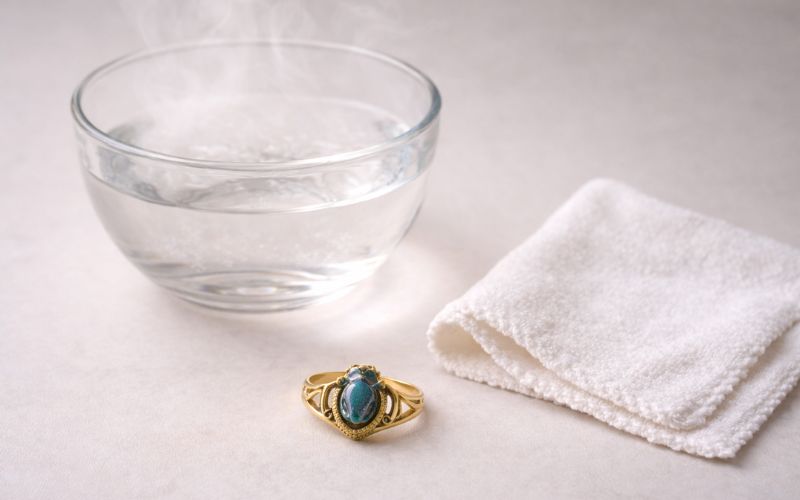
Egyptian jewelry fascinates with its symbolic aesthetic and historical depth. Worn in ancient times for spiritual, social, and protective reasons, it now requires special care.
Understanding how to care for Egyptian jewelry is essential to preserve its luster, material, and symbolism over time.
Understanding the nature of Egyptian jewelry
Egyptian jewelry is not merely decorative. In ancient Egypt, it held a central place in society and was closely linked to religious beliefs, spiritual protection, and social hierarchy. Each piece possessed a specific meaning and was often designed to accompany its wearer throughout life, as well as into the afterlife.
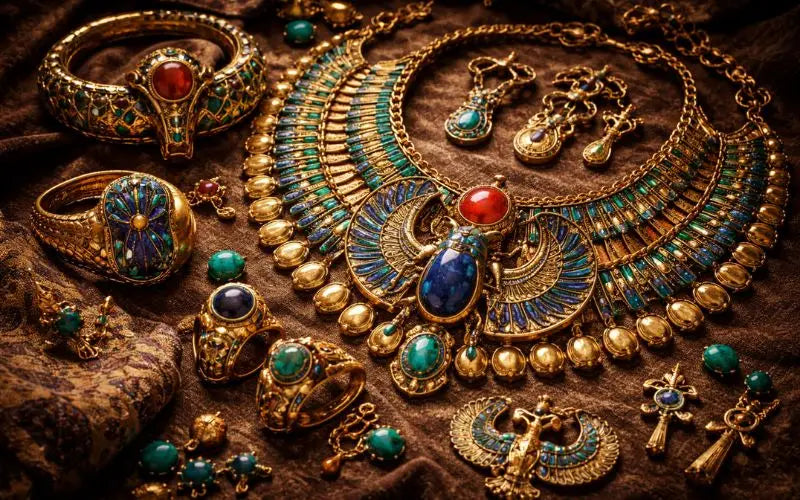
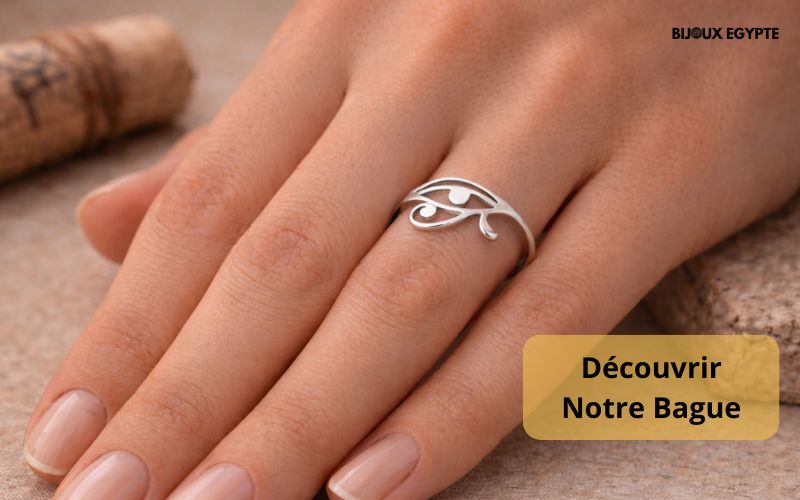
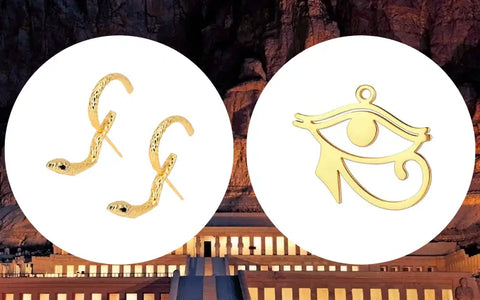
The Egyptians placed great importance on these objects, which were considered talismans capable of attracting divine protection or power to ward off negative forces. Iconic symbols such as the ankh, representing eternal life, or the Eye of Horus, associated with protection and healing, were frequently worn as amulets.
The natural wear and tear of a piece of jewelry was accepted over time, but neglect was frowned upon, as it could be interpreted as a lack of respect for its spiritual significance. Today, understanding this symbolic dimension allows for a more attentive approach to their preservation and care.
It is also essential to distinguish between truly antique jewelry and modern jewelry inspired by ancient Egypt. Antique pieces are extremely rare and often very fragile, as their materials have endured for millennia.
Conversely, Egyptian-inspired jewelry is generally crafted with more durable contemporary materials. This difference directly influences maintenance methods and the precautions to take during handling.
Materials used in Egyptian jewelry
Ancient Egyptian jewelry was crafted from natural materials chosen for their beauty, symbolism, and durability. Egyptian artisans were masters of their craft, but each material possesses characteristics that influence its preservation.
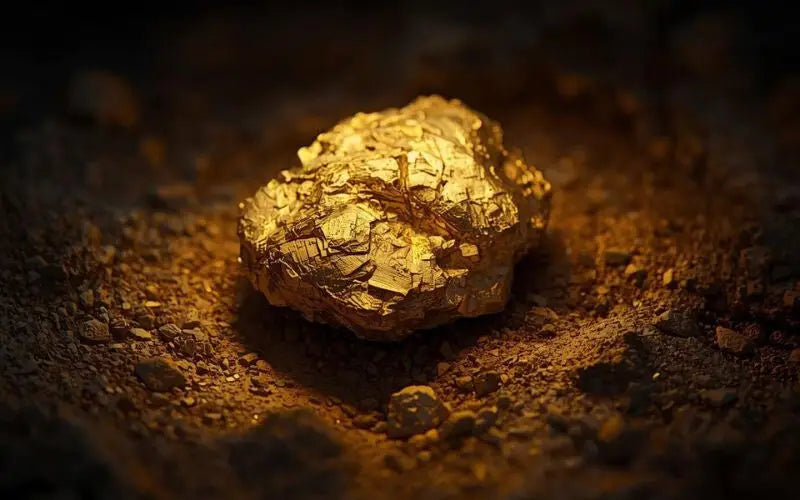
Gold was one of the most frequently used metals because it does not oxidize and symbolized eternity. However, it can scratch or deform under impact, especially when ancient alloys contain impurities. Egyptian jewelry also used semi-precious stones such as lapis lazuli, turquoise, or carnelian.
These stones are often porous and sensitive to moisture, which can alter their color if exposed to water or certain chemicals. Other materials, such as Egyptian faience and ancient glass, were also used for their vibrant colors.
Faience, a vitrified material typical of Egyptian art, remains fragile and does not handle impacts or temperature fluctuations well. Ancient glass can feature invisible micro-cracks that require delicate handling. Knowing these materials allows for appropriate care and prevents irreversible damage.
Why caring for Egyptian jewelry is essential
Properly caring for Egyptian jewelry is essential to preserve its beauty, historical value, and durability. These objects, whether ancient or inspired by ancient Egypt, are often composed of sensitive materials that can deteriorate quickly if mishandled or stored incorrectly. Appropriate care extends their lifespan and avoids a loss of aesthetic or cultural value.
When jewelry is well-maintained, it retains its luster as well as the authenticity of its patterns and symbols. Oxidation marks, dust, or residue can indeed mask the decorative details and symbolic elements that make these pieces so rich. Gentle, regular cleaning preserves these characteristics while respecting the original materials.
This attention is particularly important for collectors or enthusiasts of historical items. Furthermore, some damage can be irreversible. A stone that falls out, cracked faience, or damaged metal can lead to a permanent loss of value.
In many cases, this damage is caused by the use of unsuitable products or overly rough handling. Adopting good maintenance practices from the start is therefore the best strategy to protect these pieces and guarantee their long-term preservation.
Best practices for cleaning Egyptian jewelry
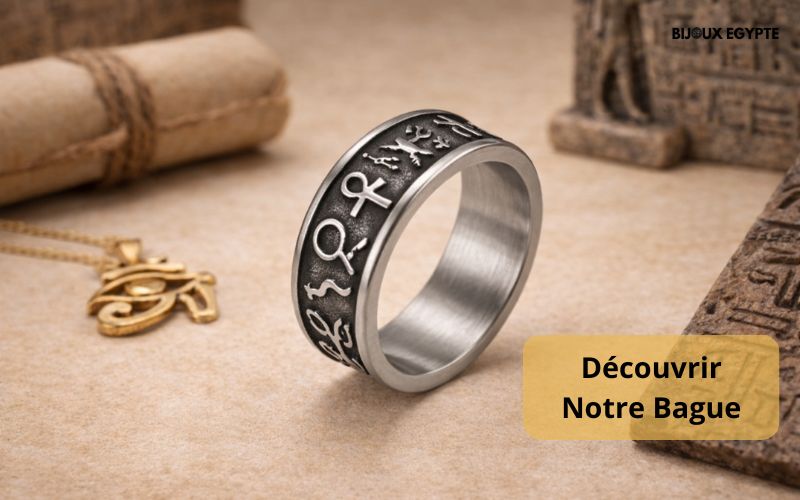
Cleaning Egyptian jewelry should always be performed with caution. The goal is not to make the piece look "brand new," but to preserve its state and the materials that comprise it. Each material—metal, stone, or faience—reacts differently to moisture, friction, or chemicals. Cleaning methods must therefore remain gentle to avoid any degradation and to protect the fine details of the jewelry.
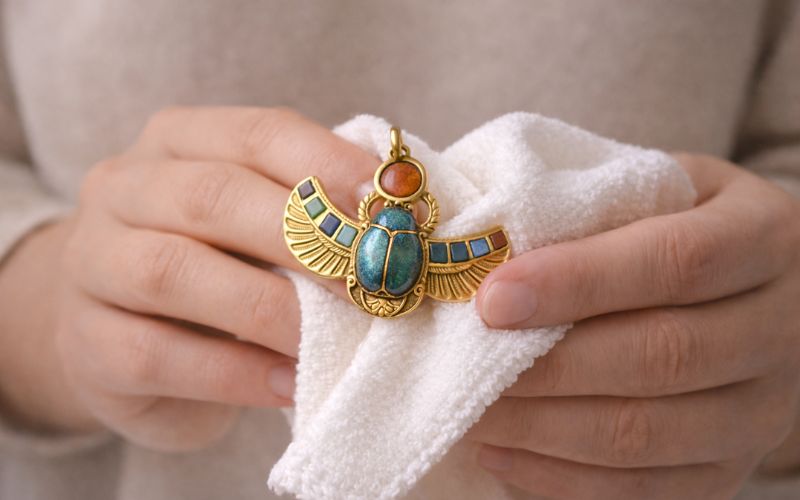
For antique jewelry, dry cleaning remains the safest method. It involves removing dust without the use of water or chemicals, a technique also employed by museum curators. A very soft-bristled brush, a microfiber cloth, or a small air blower can remove particles while treating delicate surfaces with care.
Wet cleaning should be reserved for modern jewelry inspired by ancient Egypt, crafted from more resistant materials. In this case, the water must be lukewarm and the piece should never be submerged. Immediate drying with a soft cloth is essential. When in doubt, it is always better to favor dry cleaning.
Products to strictly avoid
Certain everyday products can be particularly harmful to Egyptian jewelry and cause sometimes irreversible damage. The materials used, such as metals, stones, or faience, can react chemically to certain substances and become brittle over time.
Even brief exposure to unsuitable products can tarnish the luster of the piece, alter its surface, or weaken its structure. Chemical and abrasive products are among the most dangerous. Detergents, solvents, or household cleaners can attack metals, cause stone discoloration, and damage ancient materials. Abrasive products, meanwhile, risk scratching delicate surfaces and altering decorative details.
Perfumes and cosmetics can also have a negative impact. Perfumes often contain alcohol and other chemical components capable of altering certain materials and causing gradual tarnishing. Creams, lotions, and oils can leave greasy residues that accumulate in the reliefs of the jewelry and become difficult to clean.
To limit these risks, it is advised to apply cosmetics before putting on your jewelry. This simple habit helps preserve their appearance, luster, and long-term durability.
How to properly store Egyptian jewelry
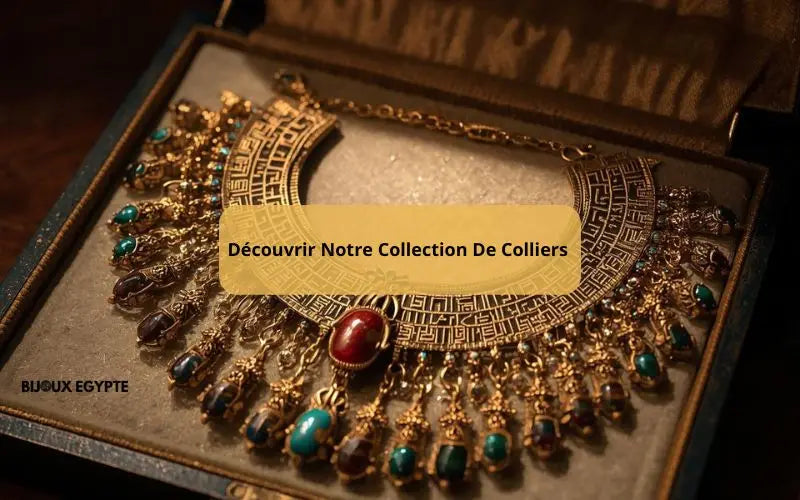
Storing Egyptian jewelry plays an important role in its long-term preservation. Even when not being worn, these pieces can deteriorate if storage conditions are not suitable. A stable and carefully chosen environment helps protect sensitive materials and limits the risk of degradation.
Humidity, direct light, or sharp temperature fluctuations can weaken certain components such as stones, faience, or ancient metals. It is therefore preferable to keep this jewelry in a dry place, away from excessive heat and direct sunlight. A relatively stable temperature also helps prevent cracks and the gradual alteration of the materials.
The choice of container is also very important. Jewelry boxes lined with soft fabric protect jewelry from scratches and impact, while individual pouches help prevent friction between multiple pieces.
It is also advisable not to stack jewelry to avoid micro-scratches or pressure on fragile elements. Proper storage thus helps preserve their condition, appearance, and longevity over time.
Wearing and repairing Egyptian jewelry
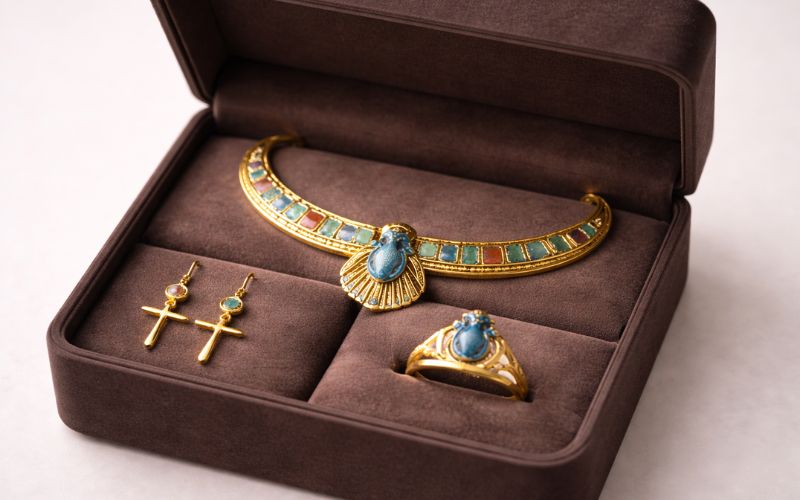
Wearing Egyptian jewelry on a daily basis requires certain precautions to preserve its condition and value. These pieces, whether they are ancient or inspired by ancient Egypt, are generally not designed for intensive use like modern accessories. Respecting a few simple rules, however, allows you to wear them without the risk of damage. It is best to avoid using them during physical activities, as impact, friction, and perspiration can weaken the materials or fastenings.
Swimming is also discouraged, particularly due to chlorinated pool water or saltwater, which can alter metals and certain stones. To extend their lifespan, it is advisable to put your jewelry on last after getting dressed and applying cosmetics, and to take it off first.
Avoiding wearing these pieces to bed also helps limit mechanical stress that could cause cracks or deformations. A light cleaning after each use helps remove residue and preserve their shine.
If a piece of jewelry has a crack, a loose stone, or significant signs of wear, it is best not to attempt repairs yourself. Restoration should be entrusted to a specialist capable of using appropriate techniques to preserve the integrity and historical value of the jewelry.
Specific care for modern Egyptian jewelry
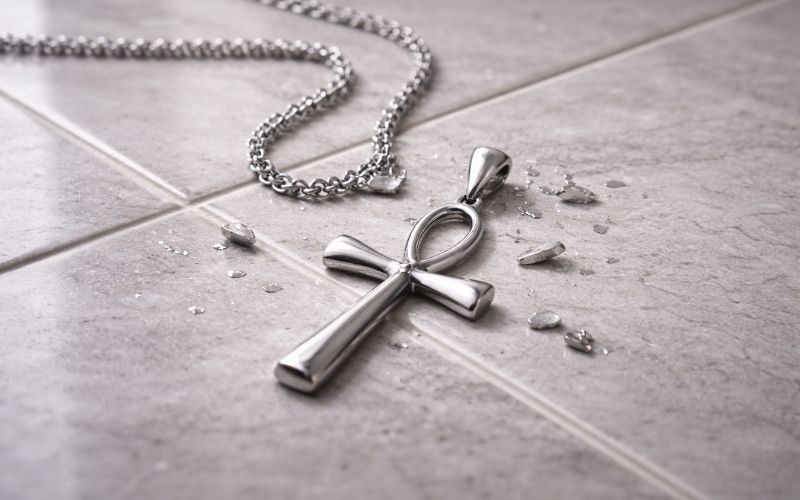
Modern jewelry inspired by ancient Egypt is generally more resistant than ancient pieces because it is made with contemporary materials and more advanced production techniques. They feature the iconic aesthetic of Egyptian civilization—symbols, colors, and patterns—while using alloys designed to be more durable.
This manufacturing makes their maintenance simpler, but they should not be treated like ordinary jewelry. Modern materials often mimic the appearance of ancient stones and metals without having the same fragility. For example, synthetic stones generally handle water and daily handling better.
Many modern metals are also treated to resist oxidation and tarnishing, which reduces the risk of degradation. A gentle, occasional cleaning is usually sufficient to preserve their shine. A dry or slightly damp cloth helps remove marks and restore luster.
However, it is advisable to store each piece of jewelry separately to avoid scratches or friction. Even if more robust, this jewelry deserves regular maintenance to maintain its appearance and quality over time.
Transmitting and preserving Egyptian jewelry over time
Egyptian jewelry is often passed down from generation to generation, giving it a value far deeper than its simple aesthetic appearance. It represents a cultural, historical, and sometimes family heritage. Preserving these objects over time therefore implies particular attention, not only to preserve their materials but also to protect their history.
Documenting the origin of the jewelry is a particularly useful practice. Noting the date of acquisition, place of purchase, provenance, or any restoration work allows you to keep a precious record that will accompany the object over the years. This information strengthens its heritage value and facilitates its identification for future generations.
A simple notebook or document kept with the jewelry may be enough to record these details. It is also important to raise awareness among younger generations about good maintenance and handling practices. Maintenance errors are often made due to a lack of information rather than negligence. Explaining how to properly clean, store, and handle these pieces helps avoid many instances of damage.
By transmitting this knowledge along with the jewelry itself, you ensure its preservation for the long term. Egyptian jewelry then becomes much more than just decorative objects: it embodies a lasting legacy and a tangible link between generations.
FAQ on how to care for Egyptian jewelry
Egyptian jewelry has long attracted attention for its unique aesthetic and strong symbolic dimension. Whether inspired by ancient Egypt or sourced from antique pieces, it possesses specific characteristics that require adapted care. Unlike classic modern jewelry, it can be composed of sensitive materials such as certain stones, faience, or ancient alloys.
Its preservation therefore requires precise actions and a good understanding of its nature. Many people wonder how to clean this jewelry, wear it daily, or store it correctly at home.
Others also ask about the mistakes to avoid, products not to use, or how to recognize an authentic piece. Knowing more about this jewelry helps preserve its appearance as well as its cultural and historical value.
The following section gathers the most frequently asked questions to provide simple answers regarding the cleaning, handling, preservation, and authenticity of Egyptian jewelry.
How do I clean antique Egyptian jewelry without damaging it?
Dry cleaning is the safest method. Use a soft brush to remove dust. Absolutely avoid water and chemical products. When in doubt, consult a professional.
Can I wear Egyptian jewelry every day?
It is better to limit daily wear. This jewelry is sensitive to impact and humidity. Occasional wear extends its lifespan. Remove it during physical activities.
Can the gold in Egyptian jewelry oxidize?
Pure gold does not oxidize, but ancient alloys can react. Impurities can cause tarnishing. Gentle cleaning is generally sufficient. Never use abrasive products.
How do I store Egyptian jewelry at home?
Store them in a dry place with a stable temperature. Use individual, fabric-lined jewelry boxes. Avoid direct light and humidity. Never stack them.
Can I repair broken Egyptian jewelry myself?
It is highly discouraged to do it yourself. Poor restoration can be irreversible. Call in an antique specialist. This is the only safe option.
Does modern Egyptian jewelry require the same care?
It is more resistant than ancient pieces. Gentle maintenance is still necessary. However, avoid harsh chemical products. Individual storage is still recommended.
How can I tell if Egyptian jewelry is authentic?
Authenticity is verified through expertise. A professional will analyze the materials and craftsmanship. Certificates and provenance are important clues. Do not rely solely on appearance.
Conclusion on How to Care for Egyptian Jewelry
Caring for Egyptian jewelry requires, above all, caution, knowledge, and respect for the materials they are made of. Whether they are ancient pieces or modern jewelry inspired by ancient Egypt, each piece requires special attention to preserve its beauty and durability. Cleaning methods should always remain gentle and appropriate.
Dry cleaning, using simple tools like a soft brush or a microfiber cloth, is generally the safest solution, especially for antique jewelry. It is also important to avoid chemicals, perfumes, or cosmetics that can damage metals and stones. Storage also plays an essential role: keeping jewelry in a dry place with a stable temperature and in individual cases helps to limit the risk of scratches, oxidation, or impact.
Wearing these pieces carefully and avoiding certain situations such as physical activities or swimming also helps to extend their lifespan. Finally, in the event of damage, it is always best to call on a qualified professional rather than trying to repair the piece yourself.
By adopting these good practices, it is possible to preserve the luster, symbolism, and historical value of Egyptian jewelry for many years to come.