
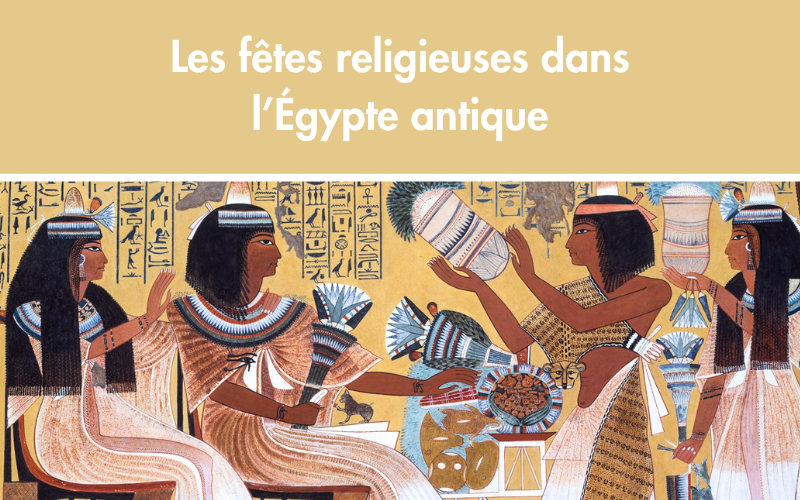
Religious festivals in Ancient Egypt occupied an essential place in daily life. They allowed for the honoring of the gods, the preservation of cosmic order, and the strengthening of social cohesion.
These celebrations brought the population together around sacred rituals, processions, and offerings. They also constituted a moment when the pharaoh affirmed his bond with the deities.
The role of religious festivals in Egyptian society
In ancient Egypt, religious festivals were an integral part of daily life and the functioning of society. The Egyptians believed that the world rested on a principle of balance called Maat, representing universal order, justice, and harmony. The goal of religious ceremonies was therefore to preserve this balance by honoring the gods and performing sacred rituals.
These celebrations brought together the entire population, from priests to common inhabitants. Temples became centers of intense activity where processions, offerings, and collective prayers took place. The Egyptians believed that their participation strengthened the bond between the world of men and that of the deities.
Festivals also had an important political dimension. The pharaoh, considered a representative of the gods on Earth, participated in rituals to demonstrate his legitimacy and his role as a divine intermediary. These events therefore reinforced both religious faith and the authority of royal power.
Thus, religious celebrations were simultaneously spiritual, social, and political. They contributed to maintaining the stability of the kingdom and transmitting religious traditions through the generations.
A collective religious practice
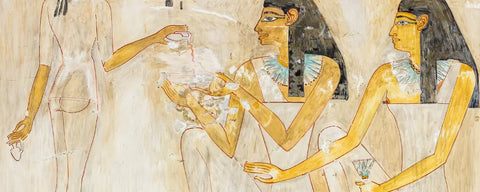
Religious celebrations brought together a large portion of the Egyptian population. During major festivals, inhabitants gathered around temples to witness the rituals and participate in the processions. Chants, prayers, and offerings were ways to express their devotion to the gods.
These gatherings also held an important social dimension. They allowed inhabitants of different social classes to come together for a common event. Festivals thus reinforced community cohesion and helped transmit religious beliefs to new generations.
Temples at the heart of celebrations
Temples were the spiritual center of every city and played a major role during religious festivals. It was in these sacred spaces that priests kept the statues of the gods and performed daily rituals. During celebrations, the temples became the starting point for grand processions.
The priests organized complex ceremonies there intended to honor the deities. The faithful could also leave offerings and direct their prayers there. Temples thus represented a direct link between men and the divine world.

Rituals practiced during religious festivals
Rituals held a central place in the religious festivals of Ancient Egypt. Each celebration was organized according to precise rules meant to honor the gods and maintain the balance between the earthly and divine worlds. Priests played an essential role in these ceremonies, as they were responsible for performing the sacred gestures and reciting the prayers.
Processions were one of the most spectacular moments of the festivals. The statues of the gods, kept in the temples, were placed on richly decorated sacred barques. They were then transported through the streets so that the population could see the deity and receive its blessing.
Offerings were also among the essential rituals. Egyptians offered bread, wine, fruit, or sacrificed animals to thank the gods for their protection. These gestures symbolized human gratitude and their hope for prosperity and security for their community.
These celebrations could last several days and often included songs, dances, and banquets. They represented both a moment of spirituality and a time of festivity for the entire population.
Sacred processions
Processions were a central element of religious festivals in Ancient Egypt. Priests transported the statue of a god in a sacred barque called a naos. This barque was carried on the shoulders of several priests and decorated with gold, precious fabrics, and religious symbols.
The procession sometimes traversed the entire city, accompanied by musicians, dancers, and the faithful. The inhabitants followed the cortège and addressed prayers to the deity. These ceremonies symbolized the presence of the god among men and reinforced the sacred dimension of the festival.
Offerings and sacrifices
Offerings constituted an essential ritual in religious festivals. Egyptians brought various foods such as bread, beer, fruit, or meat to honor the gods. These gifts were placed on altars inside the temples or before the statues of the deities.
Animal sacrifices were also part of the ceremonies. They symbolized the gratitude of the faithful toward the gods and their desire to obtain protection and prosperity. These rituals underscored the importance of the relationship between men and the divine world.
The Opet Festival: one of the greatest celebrations
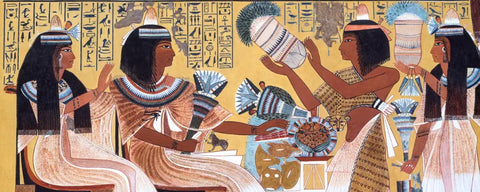
The Opet Festival was one of the most important religious celebrations of Ancient Egypt. It took place every year in the city of Thebes and was dedicated to the god Amun-Re, one of the primary deities of the Egyptian pantheon. This festival symbolized the sacred union between the god and the pharaoh.
During this celebration, the statue of Amun was transported from the Karnak Temple to the Luxor Temple in a grand procession. Thousands of people participated in this event, which represented a major moment in the religious life of the city.
The Opet Festival also allowed for the symbolic renewal of the pharaoh's legitimacy. By participating in the ceremonies, the sovereign showed that he was chosen by the gods to govern Egypt and maintain cosmic order.
For several days, inhabitants attended rituals, sacred chants, and offerings. The festivities also included banquets and public celebrations. This religious festival therefore blended spirituality, tradition, and popular gathering.
A procession between Karnak and Luxor
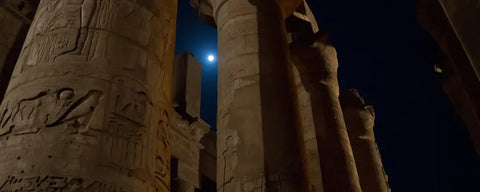
The Opet Festival procession constituted one of the most impressive moments of Egyptian religious celebrations. The statue of the god Amun was placed on a sacred barque and transported by priests along the avenue connecting the temples of Karnak and Luxor.
Musicians, dancers, and the faithful accompanied the cortège throughout the route. The population gathered to witness the ceremony and address prayers to the god. This procession represented the symbolic meeting between the deity and the people.
The renewal of royal power
The Opet Festival also had significant political meaning. During the ceremonies, the pharaoh participated in rituals intended to renew his divine power. Priests performed sacred rites symbolizing the union between the sovereign and the god Amun.
This spiritual union confirmed that the pharaoh was the representative of the gods on Earth. It reinforced his authority and recalled his role as protector of the kingdom and guarantor of cosmic order.

The Beautiful Festival of the Valley: honoring ancestors
The Beautiful Festival of the Valley was an important religious celebration dedicated to ancestors and deceased pharaohs. It took place in the Thebes region, near the Valley of the Kings and the Valley of the Queens, where the sovereigns of Ancient Egypt rested. This festival allowed for the strengthening of the bond between the world of the living and that of the dead.
During this celebration, inhabitants crossed the Nile to go to the necropolises. They visited the tombs of their loved ones and left offerings of food, flowers, and incense. These gestures symbolized respect toward the deceased and their wish for eternal rest.
Religious processions also accompanied the statues of the gods to the necropolises. This symbolic meeting between the deities and the dead was considered a sacred moment.
The Beautiful Festival of the Valley was also an occasion for family gatherings. Loved ones reunited around the tombs to share meals and honor the memory of ancestors. This celebration thus blended spirituality, tradition, and memories.
Funerary rituals
Funerary rites held an important place during this festival. Families brought offerings to the tombs to symbolically nourish the souls of the deceased. Priests also recited prayers intended to guide the dead in the afterlife.
These rituals recalled the Egyptian belief that life continued after death. Honoring ancestors thus made it possible to maintain the balance between the world of the living and the world of spirits.
A family celebration
The Beautiful Festival of the Valley was also a time of reunion for Egyptian families. Loved ones gathered in the necropolises to share a meal, leave offerings, and remember the departed ancestors. These gatherings allowed families to honor the memory of the dead while passing down traditions to the younger generations.
This tradition testified to the importance placed on memory, respect for the dead, and ancestors in the religious and family culture of Ancient Egypt.

The calendar of religious festivals in Ancient Egypt
The religious calendar of Ancient Egypt was particularly rich and punctuated the daily life of the inhabitants. The Egyptian year included numerous celebrations organized in temples and major cities of the kingdom. These festivals were often linked to natural cycles, notably the flooding of the Nile, which played an essential role in the agriculture and prosperity of the country.
Each deity had its own celebrations and each temple organized specific rituals in its honor. Priests established a precise calendar indicating the dates of ceremonies, processions, and offerings. Some festivals were local and specific to a city, while others, such as the Opet Festival or the festival of Osiris, attracted the faithful from different regions.
Celebrations could last several days and included numerous rituals. There were sacred processions, religious chants, sacrifices, and collective banquets. These events represented important moments for the population, who participated actively in the ceremonies and expressed their devotion to the gods.
Thus, the calendar of religious festivals reflected the deep spirituality of Egyptian civilization. It made it possible to maintain the bond between men, the deities, and the natural cycles that structured the life of the kingdom.

FAQ on religious festivals in Ancient Egypt
Religious festivals in ancient Egypt held a fundamental place in the life of the kingdom. Throughout the year, Egyptians participated in numerous celebrations organized in temples and major cities. These events made it possible to honor the gods, reinforce religious beliefs, and maintain the cosmic balance considered essential for the stability of the world.
These celebrations also had an important political dimension. The pharaoh participated in the rituals to affirm his bond with the deities and to recall his role as an intermediary between the gods and men. Priests led the ceremonies and ensured that sacred traditions were respected.
Religious festivals thus constituted a major element of Egyptian culture. They allowed for the transmission of beliefs, myths, and traditions to the entire population. Here are the most frequently asked questions about religious festivals in ancient Egypt.
Why were religious festivals important in ancient Egypt?
Religious festivals were essential for maintaining cosmic order and honoring the gods. The Egyptians believed that the rituals performed during these celebrations helped ensure the prosperity of the kingdom and divine protection.
What was the most important religious festival?
The Opet Festival is often considered one of the most important. It symbolized the union between the pharaoh and the god Amun and reinforced the legitimacy of royal power.
How many religious festivals were there in ancient Egypt?
The Egyptian religious calendar included several dozen festivals spread throughout the year. Each temple and city had its own celebrations dedicated to a specific deity.
Who participated in religious festivals?
Priests, the pharaoh, and the population participated in the celebrations. Priests led the rituals while the inhabitants attended the processions and ceremonies.
Did religious festivals last a long time?
Some celebrations could last for several days or even several weeks. Major festivals attracted participants from different regions of the kingdom.
What were the main religious festivals in ancient Egypt?
The main religious festivals were the Opet Festival, the Beautiful Festival of the Valley, and the New Year festival Wepet Renpet. They paid homage to the gods and brought the population together through ceremonies and processions.
What role did priests play during religious festivals?
Priests directed the religious rituals and ceremonies. They carried the statues of the gods, recited prayers, and organized offerings in the temples.
Where did religious festivals take place in ancient Egypt?
Celebrations primarily took place in temples and sometimes in the streets during processions. Some rituals also occurred in sacred places such as the necropolises.
Were religious festivals open to the entire population?
Yes, the population could participate in the celebrations. The inhabitants attended the processions, made offerings, and took part in the festivities.
Were religious festivals linked to natural cycles?
Yes, several festivals were linked to natural cycles, particularly the flooding of the Nile. They symbolized the fertility, rebirth, and prosperity of the kingdom.
Conclusion on religious festivals in ancient Egypt
Religious festivals in ancient Egypt played a fundamental role in the organization of society and in the spiritual life of the inhabitants. Above all, they made it possible to honor the gods and maintain the cosmic balance, an essential principle for the Egyptians who believed that the harmony of the world depended on the rituals and prayers addressed to the deities. These celebrations were therefore much more than simple festive moments: they were true religious acts intended to ensure the prosperity of the kingdom.
The festivals also represented a time of gathering for the population. Inhabitants gathered around the temples to witness the processions, participate in the ceremonies, and offer gifts to the deities. These events reinforced social cohesion and allowed for the transmission of beliefs and traditions across generations.
Finally, religious celebrations also had an important political dimension. The pharaoh, considered a representative of the gods on Earth, participated in the rituals to demonstrate his legitimacy and his role in protecting the kingdom. Thus, religious festivals were at the heart of Egyptian civilization, linking religion, society, and power in a single belief system.