
Before setting off to discover this mythical land, it is essential to understand the richness of this extraordinary country. Traveling to Egypt offers a unique immersion between millennial history, impressive archaeological sites, and a fascinating culture. Preparing your trip well allows you to fully enjoy the pyramids, temples, and local traditions while discovering the exceptional legacy of one of the most remarkable civilizations.

Understand history to better ensure a successful trip to Egypt
Egypt is one of the most fascinating destinations for history and ancient civilization enthusiasts. For over five thousand years, the Nile Valley has been the birthplace of an exceptional culture that has profoundly marked the ancient world. Temples, pyramids, and colossal statues still bear witness today to the power of the pharaohs and the richness of their civilization. Understanding this history allows travelers to give more meaning to the monuments they visit.
Egyptian civilization developed around the Nile, a true source of life for local populations. The river's floods made the land fertile and enabled agriculture, while cities prospered thanks to trade and exchange. This prosperity fostered the construction of impressive monuments designed to honor the gods and ensure the immortality of the sovereigns.
Today, visitors can still admire these exceptional vestiges. The hieroglyphs carved into the stone tell stories of conquests, religious rituals, and daily life. Exploring these traces of the past transforms a simple tourist stay into a true journey through time.
The major periods of ancient Egypt
To fully understand the archaeological sites, it is useful to know the major periods of Egyptian civilization. Each era has left significant architectural and cultural traces. The Old Kingdom is best known for the construction of the Giza pyramids, symbols of the pharaohs' power. The Middle Kingdom marked an artistic and administrative renewal that consolidated the kingdom's organization.
The New Kingdom represents the golden age of ancient Egypt. The sovereigns of this period built many monumental temples and extended their influence throughout the region. This succession of historical periods explains the diversity of monuments that travelers can discover during their stay.
The role of pharaohs in Egyptian civilization
Pharaohs held a central place in Egyptian society. They were considered representatives of the gods on Earth and wielded immense political and religious power. Each sovereign sought to leave a lasting mark on history by building grandiose temples, statues, and tombs.
These constructions often had a very important spiritual dimension. The temples served as places of worship dedicated to the deities, while the royal tombs were decorated to accompany the pharaoh into the afterlife. Understanding this religious vision allows visitors to better interpret the monuments they discover during their trip to Egypt.

Must-see sites for a successful trip to Egypt
To travel to Egypt, you must discover its most famous archaeological sites. These monuments represent the legacy of a civilization that shaped human history. Pyramids, temples, and royal necropolises attract millions of visitors every year who come to admire these ancient masterpieces.
The majority of these sites are located along the Nile, the river that enabled the development of Egyptian civilization. Travelers can follow this historical axis to discover several iconic cities and explore various temples. This geographical organization facilitates the planning of tourist circuits and allows for a logical progression of visits.
Each site has its own unique characteristics and atmosphere. Some impress with their monumental size, while others fascinate with their detailed carvings or perfectly preserved frescoes. Taking the time to explore these places allows one to understand the ingenuity of the builders of ancient Egypt.
Beyond their architectural dimension, these monuments also reveal the importance of religion and rites in Egyptian society. The temples, statues, and inscriptions tell the story of a people deeply connected to their beliefs and their environment.
The Giza Pyramids and the Sphinx
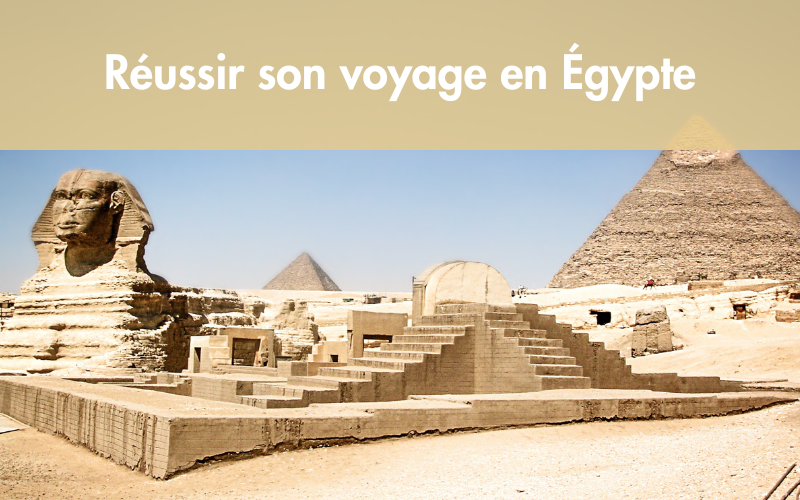
The Giza Pyramids are among the most famous monuments in the world. Built over four millennia ago, they served as tombs for the pharaohs of the Old Kingdom. The Great Pyramid of Khufu remains the most impressive and testifies to the technical mastery of Egyptian architects.
Nearby is the Sphinx, a monumental statue representing a lion with a human head. This monument symbolizes strength and protection. A visit to the Giza Plateau allows you to admire the spectacular alignment of the pyramids in the desert and better understand the construction methods used by the ancient Egyptians.
Luxor and the Valley of the Kings
The city of Luxor is often described as an immense open-air museum. It houses several spectacular temples, including the Karnak Temple and the Luxor Temple. These monuments illustrate the power of the New Kingdom and the importance of religious rituals in Egyptian society.
The Valley of the Kings is located a few kilometers from the city. This royal necropolis houses the tombs of many pharaohs, including that of Tutankhamun. The tomb walls are decorated with colorful frescoes and hieroglyphs describing the sovereign's journey to the afterlife.

Discover the local culture for a successful trip to Egypt
Beyond its ancient monuments, Egypt possesses a rich and vibrant culture that is worth discovering. Local traditions, gastronomy, and crafts are an integral part of the travel experience. Understanding these cultural aspects allows visitors to immerse themselves more fully in the country's daily life.
Egyptian cities offer a unique atmosphere where modern influences blend with ancient traditions. Lively cafes, colorful markets, and historic streets bear witness to a culture deeply rooted in history. Residents are often warm and enjoy interacting with visitors who are curious about their way of life.
Participating in this cultural immersion significantly enriches the stay. Tasting local specialties, chatting with merchants, or observing craftsmen at work allows one to better understand the richness of contemporary Egyptian society.
Through these encounters and discoveries, travelers realize that Egyptian culture is not limited to the vestiges of the past. It is also found in daily habits, traditional celebrations, and the importance placed on hospitality—a value deeply ingrained in the local society.

Traditional Egyptian gastronomy
Egyptian cuisine is based on simple yet tasty ingredients. It is inspired by ancient recipes passed down from generation to generation. Dishes are often composed of vegetables, legumes, and spices that give the recipes characteristic flavors.
Among the popular specialties is koshari, a mixture of rice, lentils, and pasta served with a spicy tomato sauce. Egyptian falafels, called taameya, are also very popular. These dishes are often served in local restaurants or at street stalls.
Markets and local crafts
Traditional markets are essential places for discovering Egyptian crafts. The souks are full of handmade items inspired by ancient motifs. Visitors can find decorative papyrus, oriental lamps, or sculptures representing ancient deities.
These markets also offer an immersion into the local ambiance. Vendors chat with customers, craftsmen work in front of their stalls, and the smell of spices fills the alleys. This lively atmosphere is an integral part of the travel experience.

Practical tips for a successful trip to Egypt
Organizing a trip to Egypt requires taking several practical aspects into account in order to fully enjoy the journey. The country has many tourist regions that are far apart, which requires effective planning of travel and visits.
Travelers must, in particular, think about their itinerary, choice of transportation, and the times for visiting historical sites. Good organization makes it possible to avoid long waits and to enjoy the monuments in better conditions, especially by visiting the sites early in the morning when the temperatures are more pleasant.
Trip preparation also includes practical elements such as Internet access, booking excursions, or even buying tickets for certain tourist sites. These details may seem secondary, but they contribute greatly to the comfort of the stay and save time on site.
It is also recommended to find out about the climate, the opening hours of the sites, and certain local customs in order to avoid the unexpected. Careful preparation thus allows you to have a more peaceful experience and to take full advantage of the cultural, historical, and natural riches of Egypt.
Means of transport in Egypt
Several options are available for getting around the country. Domestic flights are often used to quickly connect major cities such as Cairo, Luxor, or Aswan. Trains also provide a practical solution for following the Nile Valley.
Nile cruises are particularly popular. They allow you to visit several temples while enjoying the scenery and the comfort of the boat. This option combines transport and cultural discovery.
Staying connected during your stay
Having a reliable Internet connection can make organizing your trip easier. Travelers often use their smartphones to check maps, book activities, or translate certain information.
eSIM cards are a modern and practical solution for staying connected. They allow you to access the Internet without changing your physical SIM card. This technology avoids roaming charges and allows you to enjoy a stable connection as soon as you arrive in the country.

Buying souvenirs to make your trip to Egypt a success
Bringing back a souvenir is an integral part of the travel experience in Egypt. Markets and artisan shops offer a wide variety of objects inspired by ancient civilization. These souvenirs allow you to keep a tangible trace of the country’s history and culture.
Travelers can discover reproductions of pharaonic statues, decorative papyri, or even symbolic jewelry inspired by Egyptian deities. These objects recall the religious beliefs and artistic traditions that have marked the history of the region.
However, it is important to favor local artisans in order to support traditional craftsmanship. Many shops offer authentic products made using ancient techniques.
Taking the time to browse the markets also allows you to discover the creativity and talent of Egyptian artisans. Each object often reflects inspiration drawn from history, myths, or ancient iconography. By carefully choosing their souvenirs, the traveler leaves with an object charged with meaning, which evokes the landscapes, encounters, and discoveries experienced during their stay in Egypt.
Jewelry inspired by Ancient Egypt
Egyptian jewelry has a strong symbolic dimension. Artisans are often inspired by motifs present in temples and royal tombs. These symbols were associated with protection, rebirth, or eternal life.
Among the most popular motifs are the scarab, a symbol of transformation; the Eye of Horus, representing protection; and the Ankh cross, associated with eternal life. These pieces of jewelry are often made of silver or semi-precious stones and are very popular souvenirs among visitors.
The art of bargaining in the souks
Bargaining is a common practice in Egyptian markets. Sellers generally expect to discuss prices with customers. This interaction is part of the local commercial culture.
To bargain effectively, it is advisable to remain courteous and keep a smile. Comparing prices between several shops can also help you get a better deal. This experience makes buying souvenirs even more authentic.

FAQ on making your trip to Egypt a success
Before setting off to discover Egypt, many travelers ask themselves various questions in order to better prepare for their stay. Between the climate, administrative formalities, the ideal duration of the trip, or even the must-see sights, it is normal to want to obtain clear information before planning your itinerary. Since Egypt is a destination rich in history and culture, certain practical aspects can raise questions, especially for people visiting the country for the first time.
This FAQ section aims to provide simple and useful answers to the most frequent questions asked by travelers. It helps to better understand travel conditions, the most favorable periods to visit archaeological sites, or the steps required before departure. This information can also help to anticipate certain logistical aspects in order to fully enjoy the stay.
By taking note of these elements, visitors can prepare for their trip with more peace of mind and organize their discovery of Egypt under the best possible conditions.

What is the best time to visit Egypt?
The best time to visit Egypt is between November and March. During these months, the temperatures are milder, allowing you to visit archaeological sites in better conditions. Summer can be extremely hot, especially in desert regions.
How many days are needed to visit Egypt?
A ten-day stay generally allows you to discover the major sites such as Cairo, Luxor, and Aswan. Travelers with more time can also explore the Red Sea or the desert oases.
Is a visa required to travel to Egypt?
Most travelers must obtain a tourist visa to enter the country. This can be obtained online or directly at the airport upon arrival.
Can you visit the inside of the pyramids?
Some of the Giza pyramids are open to the public. Visitors can explore the corridors and burial chambers located inside these monuments.
What souvenirs should you bring back from Egypt?
Popular souvenirs include decorative papyri, spices, jewelry inspired by Ancient Egypt, and figurines of deities.
Conclusion on making your trip to Egypt a success
Making your trip to Egypt a success relies above all on careful preparation and a real desire to discover one of the most fascinating civilizations in history. Between ancient monuments, desert landscapes, and lively cities, the country offers a diversity of experiences that appeal to travelers from all over the world. The pyramids, majestic temples, and royal tombs allow you to dive into a millennial past that continues to amaze visitors even today.
However, a trip to Egypt is not limited to the discovery of its archaeological sites. Local culture, traditional gastronomy, and artisan markets are also an integral part of the experience. These moments of exchange and discovery allow you to better understand the way of life of the inhabitants and the importance of traditions in Egyptian society.
By taking the time to plan their itinerary, explore historical sites, and immerse themselves in the local culture, every traveler can live a unique adventure. Egypt remains an exceptional destination where history, culture, and discovery meet to offer an unforgettable journey.