
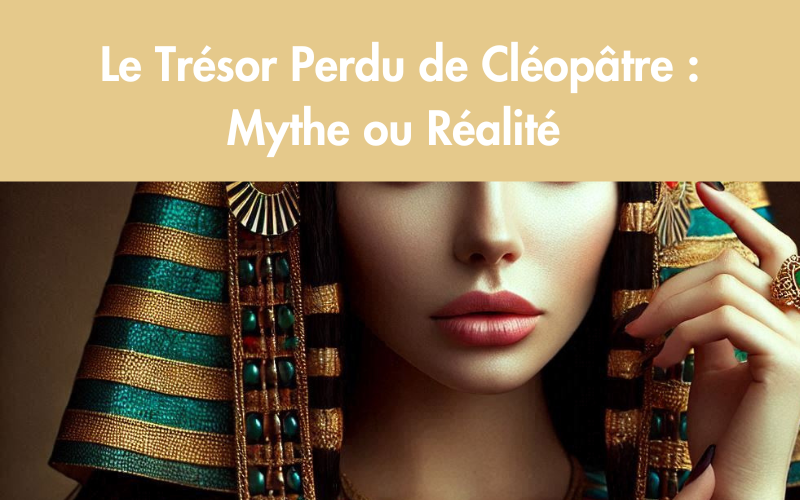
The mystery of Cleopatra's lost treasure has fascinated historians and archaeologists for centuries. Some believe that the last queen of Egypt hid an immense fortune before the Roman conquest.
Others consider it merely a legend amplified by time. Between history, archaeology, and ancient myths, the question remains open.

Who was Cleopatra VII, the last queen of Egypt
Cleopatra VII is one of the most iconic figures of ancient Egypt and the last sovereign of the Ptolemaic dynasty. She reigned between 51 and 30 BC, during a period when the power of Rome was gradually asserting itself over the Mediterranean. Contrary to the romantic image often associated with her character, Cleopatra was above all a skilled political leader, capable of negotiating and governing a complex kingdom.
She mastered several languages, which allowed her to communicate directly with different peoples of her empire. Her intelligence and political strategy enabled her to maintain Egypt's independence for several years despite Roman pressure.
Cleopatra also forged important alliances with Julius Caesar and then Mark Antony. These relationships were as much political as personal and were aimed at strengthening Egypt's position against Rome. However, Mark Antony's defeat by Octavian at the Battle of Actium marked the beginning of the end for the Egyptian kingdom.
After the queen's death in 30 BC, Egypt became a Roman province. This brutal transition fueled numerous questions about what happened to the immense wealth of the royal court.
A sovereign with immense power
Cleopatra was not just a symbolic queen. She controlled an extremely wealthy kingdom thanks to agriculture, maritime trade, and natural resources.
Among the riches associated with her reign:
-
gold from African mines
-
royal jewelry encrusted with precious stones
-
precious statues and religious objects
-
art collections and rare manuscripts
These riches still fuel the idea today that a treasure might have been hidden before the fall of the kingdom.
The origin of the myth of Cleopatra's treasure
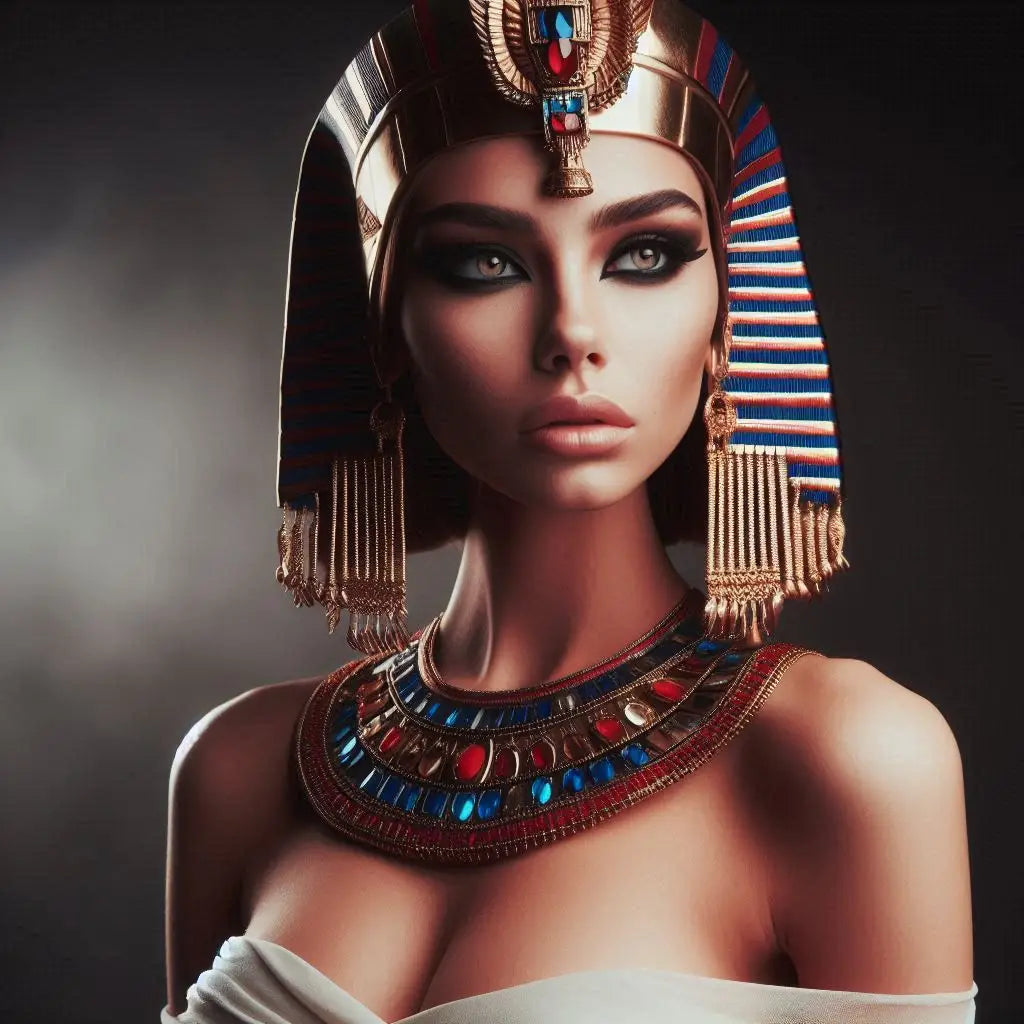
The legend of Cleopatra's lost treasure originates from the ancient Egyptian reputation for exceptional wealth. During the queen's time, the kingdom controlled some of the most important trade routes in the Mediterranean world. Trade in wheat, perfumes, gold, and precious stones made Egypt one of the most prosperous regions of antiquity.
When Octavian's Roman army approached Alexandria, the situation became critical for Cleopatra and her allies. Some historians believe she may have hidden some of her wealth to prevent it from falling into the hands of her enemies. This hypothesis is reinforced by the sudden disappearance of much wealth after the Roman conquest.
However, ancient texts remain vague on this matter. No document explicitly mentions the existence of a hidden treasure. The idea of a lost treasure appeared gradually in historical accounts and popular tradition.
Over time, this hypothesis became a true legend. The mystery surrounding Cleopatra's death and the disappearance of her fortune helped transform this story into one of the greatest archaeological mysteries.
Ancient accounts and their influence
Several ancient authors helped fuel the legend of Cleopatra's treasure. Their writings describe the spectacular wealth of the royal court and the luxurious ceremonies organized by the queen.
Elements often mentioned include:
-
chests filled with gold in royal palaces
-
jewelry of exceptional value
-
sacred objects dedicated to Egyptian gods
-
treasures accumulated in temples
These descriptions have fueled the collective imagination and reinforced the idea that some of these riches could still be hidden.
Where might Cleopatra's treasure be found
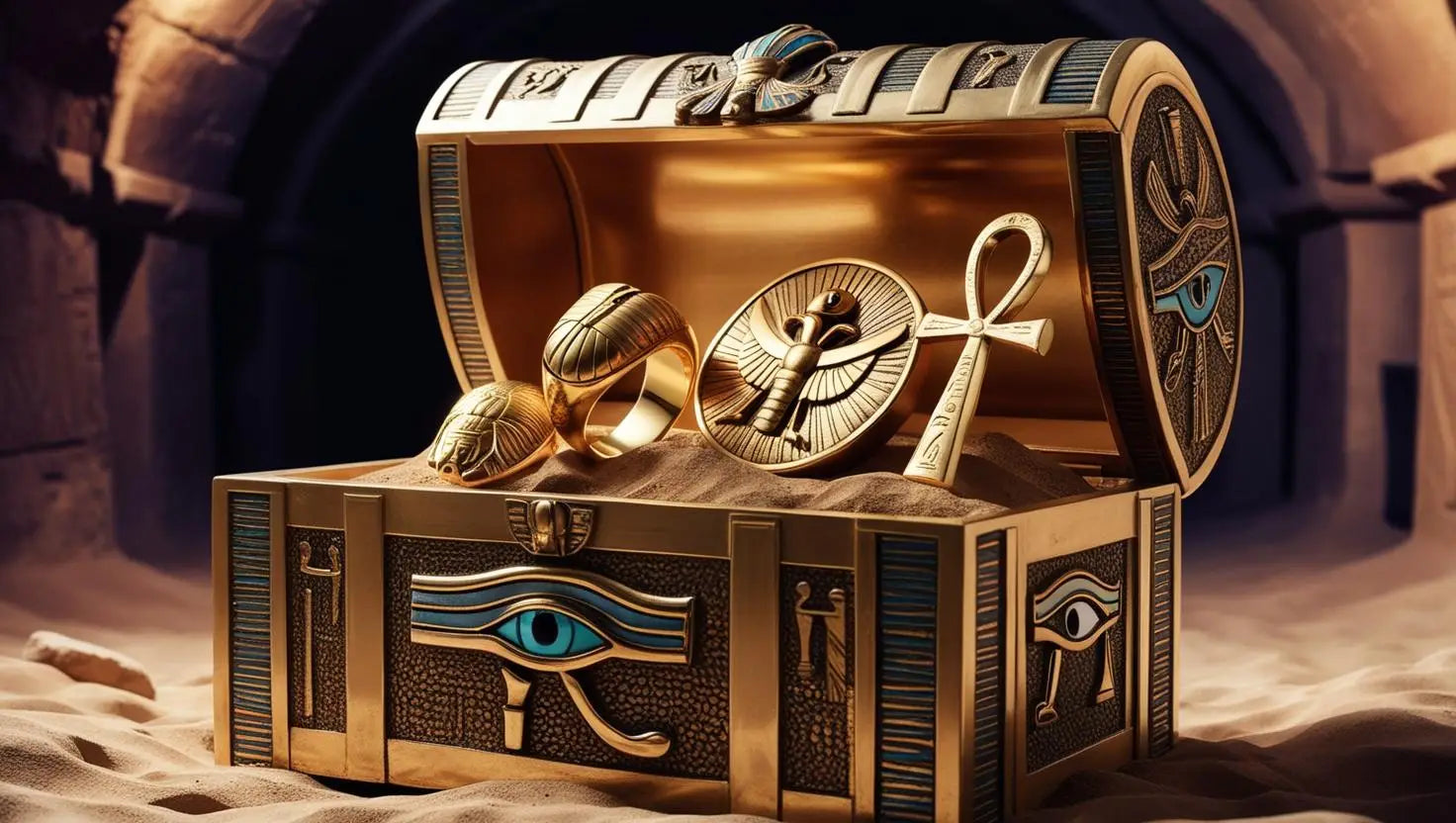
The location of Cleopatra's treasure has been at the heart of archaeological research for decades. Several hypotheses have been formulated, but none have yet been confirmed by concrete discoveries. Archaeologists are trying to reconstruct historical events to understand where the queen might have hidden her riches.
Alexandria is often considered the most likely location. The city was the capital of Egypt and housed the royal palace, temples, and the kingdom's main institutions. However, a large part of ancient Alexandria is now submerged under the Mediterranean Sea.
Earthquakes and coastal erosion have caused the collapse of many ancient structures. Underwater research has uncovered statues, columns, and remnants of the royal palace. These discoveries show that many areas remain unexplored.
Other researchers believe that the queen might have chosen a more discreet location to hide her treasure. It could be a secret tomb or an isolated temple away from prying eyes.
Alexandria and the royal palaces
Alexandria was the heart of political and economic power in Egypt under Cleopatra. Founded by Alexander the Great, the city boasted luxurious palaces, famous libraries, and many temples dedicated to Egyptian and Greek deities.
Several reasons explain why the treasure might be there:
-
presence of Cleopatra's royal palace
-
wealth concentrated in the capital
-
strategic importance of the city
-
numerous religious sanctuaries
Unfortunately, a large part of this historical area is now submerged under the Mediterranean Sea, which complicates archaeological research.
Taposiris Magna and recent excavations
The site of Taposiris Magna is currently one of the most studied locations by archaeologists interested in Cleopatra's tomb. Located west of Alexandria, this ancient temple dedicated to Osiris could be linked to funerary practices of the Ptolemaic period.
Recent discoveries include:
-
impressive underground tunnels carved into the rock
-
ancient coins and various artifacts
-
Ptolemaic statues and coinage
-
structures yet to be explored
Some researchers believe this site could house the queen's tomb and perhaps her treasure.

Modern archaeological research
Archaeological research into Cleopatra's tomb and her potential treasure is actively continuing today. Modern technologies have profoundly transformed the way archaeologists explore ancient sites and analyze historical remains. Geophysical scanners, drones, and underwater robots now make it possible to explore areas that were once difficult to access and to locate structures buried underground or underwater without conducting destructive excavations.
Underwater excavations in Alexandria have revealed impressive remains of the ancient city. Colossal statues, monumental columns, and fragments of palaces have been found at the bottom of the Mediterranean Sea. These discoveries confirm that parts of the Ptolemaic capital were engulfed after several natural disasters, including earthquakes and coastal erosion.
The Taposiris Magna site is also receiving special attention. Archaeologists have discovered an underground tunnel more than a kilometer long carved into the rock, which could lead to as-yet unknown chambers.
Despite these scientific advances, Cleopatra's tomb has not yet been located with certainty, which continues to fuel research and hypotheses surrounding this historical mystery.
The challenges for archaeologists
Researchers must overcome several obstacles to recover the potential treasure linked to Cleopatra and her era. Archaeological excavations require time, significant resources, and extremely precise methods to preserve ancient ruins.
The main challenges are:
-
destruction of numerous ancient sites over the centuries
-
rising sea levels that submerge certain historical areas
-
lack of precise historical sources describing the location of the tomb
-
complexity of underground and underwater excavations
These difficulties explain why this archaeological mystery remains unsolved today.
What Cleopatra's treasure could contain
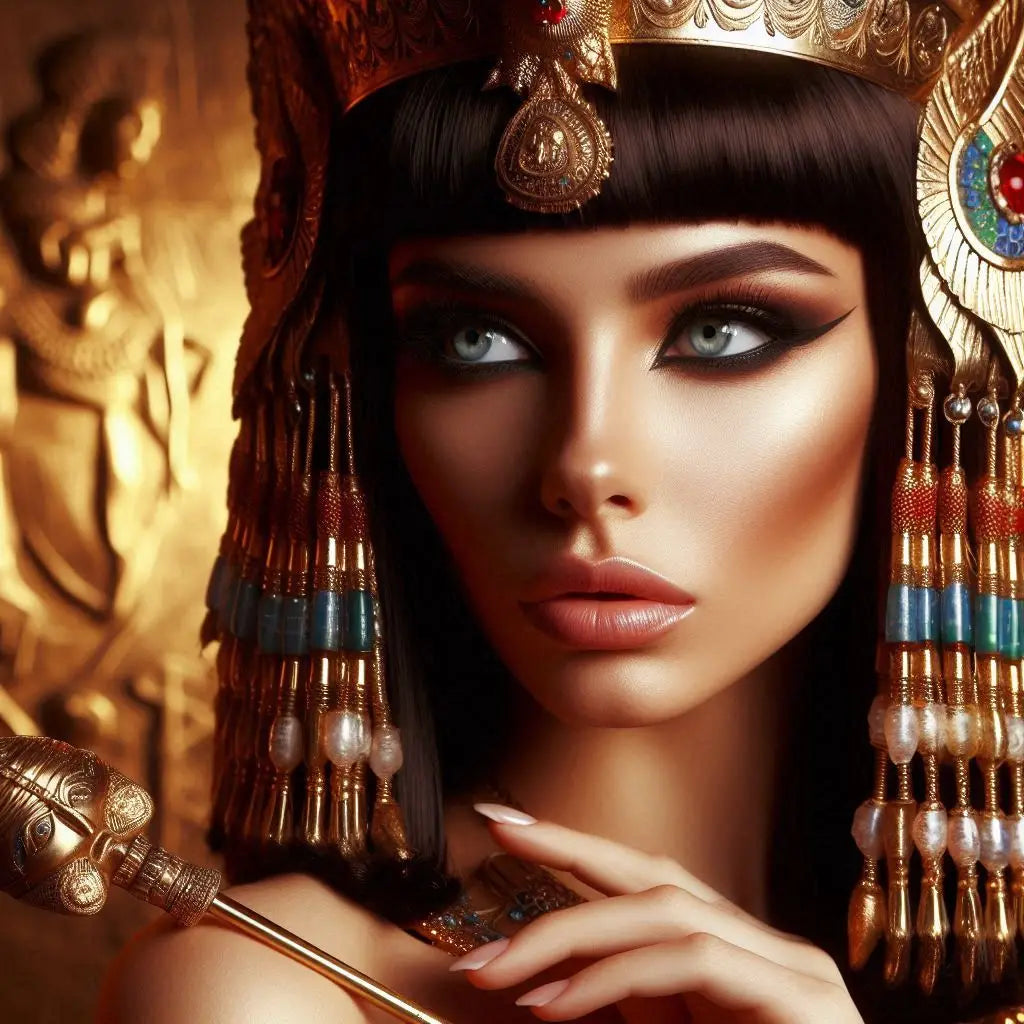
If Cleopatra's treasure truly exists, it could contain objects of exceptional historical and cultural value. Ancient Egypt possessed considerable wealth thanks to its maritime trade, its natural resources, and the political influence of its rulers. The pharaohs and the leaders of the Ptolemaic dynasty also accumulated many precious items related to religious rituals, official ceremonies, and the representation of royal power.
Historians believe that the treasure could include royal jewelry, sacred statues, and rare manuscripts preserved in palaces or temples. These objects would allow for a better understanding of the culture, religious beliefs, and artistic traditions of the time. They could also provide valuable information about daily life at court and the diplomatic relations maintained with other kingdoms.
The discovery of such a treasure would represent one of the greatest archaeological finds in history. It would offer a unique glimpse into the material and symbolic wealth associated with the reign of Cleopatra and the end of the Ptolemaic period. Many artifacts could also reveal sophisticated artisanal techniques, particularly in the crafting of metals, precious stones, or decorative objects used during official and religious ceremonies.
Possible riches
The treasure could contain a wide variety of precious objects related to the power and culture of ancient Egypt. Among the items often mentioned by historians and archaeologists, we can imagine in particular:
-
gold coins and ingots used as a reserve of wealth
-
royal jewelry encrusted with precious stones like emerald or lapis lazuli
-
statues and religious artifacts dedicated to Egyptian deities
-
ancient papyri and manuscripts containing historical or ritual texts
Each object could reveal valuable information about the history, beliefs, and traditions of ancient Egypt.

Why this treasure still fascinates today
The mystery of Cleopatra's lost treasure continues to capture the imagination of the entire world. This fascination is largely explained by the exceptional personality of the queen, who remains one of the most famous figures of antiquity. Cleopatra is often associated with an image blending political intelligence, royal power, and a tragic destiny. Her story, marked by strategic alliances and the fall of her kingdom to Rome, helps fuel interest in everything surrounding her life and legacy.
The quest for her treasure also represents a fascinating archaeological adventure. Discoveries made in Egypt over the last few decades show that many ancient sites remain to be explored. Each new excavation or discovery of artifacts revives the hope of one day finding clues related to the tomb of the famous sovereign.
Beyond material wealth, this treasure symbolizes a pivotal period in Mediterranean history. The end of Cleopatra's reign indeed marks the transition between independent Egypt and the country's integration into the Roman Empire.
As long as the queen's tomb remains unfound, the possibility of discovering this treasure will continue to feed the collective imagination and fuel historical research.
A fascinating historical mystery
Several factors explain the lasting interest in this mysterious treasure associated with Cleopatra and the end of ancient Egypt. This narrative blends real history, legends, and archaeological discoveries, which reinforces the fascination surrounding this mystery.
The elements that fuel this curiosity include:
-
the historical importance of Cleopatra in the history of antiquity
-
the legendary riches attributed to ancient Egypt
-
archaeological research still underway at several sites
-
the absence of definitive evidence confirming or refuting the existence of the treasure
This mystery continues to inspire researchers, historians, and history enthusiasts around the world.

FAQ on The Lost Treasure of Cleopatra: Myth or Reality?
For centuries, Cleopatra's treasure has fueled debates among historians, archaeologists, and enthusiasts of ancient Egypt. This legend, blending historical facts and tales passed down through generations, raises many questions. The exceptional wealth of the Egyptian kingdom, the disappearance of the last Ptolemaic queen, and the lack of precise sources have contributed to creating a mystery that still fascinates today.
Over time, archaeological discoveries and scientific research have helped shed light on certain aspects of this historical period. However, many uncertainties remain regarding the possible existence of a treasure hidden before the Roman conquest. The sites of Alexandria, Taposiris Magna, and other regions of the Nile Delta continue to be studied in the hope of finding clues related to the burial of the famous queen.
Internet users often wonder about the possible location of this treasure, ongoing archaeological research, or the riches Cleopatra might have hidden. In this FAQ section on The Lost Treasure of Cleopatra: Myth or Reality?, we answer the most frequently asked questions to better understand this historical mystery that continues to captivate the imagination of the entire world.
Has Cleopatra's treasure been found?
No. To date, no archaeological discovery has confirmed the existence of Cleopatra's treasure, despite the numerous excavations carried out in Egypt and around Alexandria.
Where would Cleopatra's treasure be?
The main hypotheses suggest Alexandria or the archaeological site of Taposiris Magna, two places strongly linked to the history and reign of Cleopatra.
Has Cleopatra's tomb been discovered?
No. The exact location of Cleopatra's tomb remains unknown today, even though several teams of archaeologists continue their research.
Why is Alexandria important in this search?
Alexandria was the capital of Egypt under Cleopatra and the center of the kingdom's political, economic, and cultural power.
Are archaeologists still looking for this treasure?
Yes. Several international teams are still continuing excavations and archaeological explorations in Egypt in order to find the queen's tomb.
What could Cleopatra's treasure contain?
It could contain gold, royal jewelry, religious objects, as well as ancient manuscripts or precious artifacts from ancient Egypt.
Why does this treasure fascinate so much?
Because it is linked to Cleopatra, one of the most famous figures of antiquity, and to the fascinating history of ancient Egypt.

Conclusion on The Lost Treasure of Cleopatra: Myth or Reality?
The question of Cleopatra's Lost Treasure remains without a definitive answer today. Archaeological research, historical analysis, and discoveries made in Egypt show that it is difficult to determine with certainty whether this treasure ever really existed. On one hand, the exceptional wealth of the Egyptian kingdom and the power of the last Ptolemaic queen make the idea that part of her fortune could have been hidden before the Roman conquest plausible. In a context of war and political collapse, concealing riches to protect them would not be impossible.
On the other hand, no ancient source clearly confirms the existence of a secret treasure. Historical texts mention Cleopatra's wealth but provide no precise indication of a potential hidden treasure. This suggests that this story could also be a legend born over the centuries, amplified by the fascination with the queen and Egyptian civilization.
In reality, Cleopatra's treasure likely lies on the border between history and myth. Even if a material treasure is never discovered, the remains, artifacts, and archaeological sites linked to her reign already constitute a historical heritage of inestimable value. The mystery will therefore remain alive as long as Cleopatra's tomb has not been found.