

Ancient Egypt
Egypt Jewelry - Blog
Egyptian Amulets: Protection and Power
Egyptian amulets were sacred talismans used to provide protection and attract good luck. Worn in daily life and in funerary rites, they symbolized the bond between humans and the gods and reflected the spiritual beliefs of ancient Egypt.
The jewelry found in the tombs of the Egyptian queens
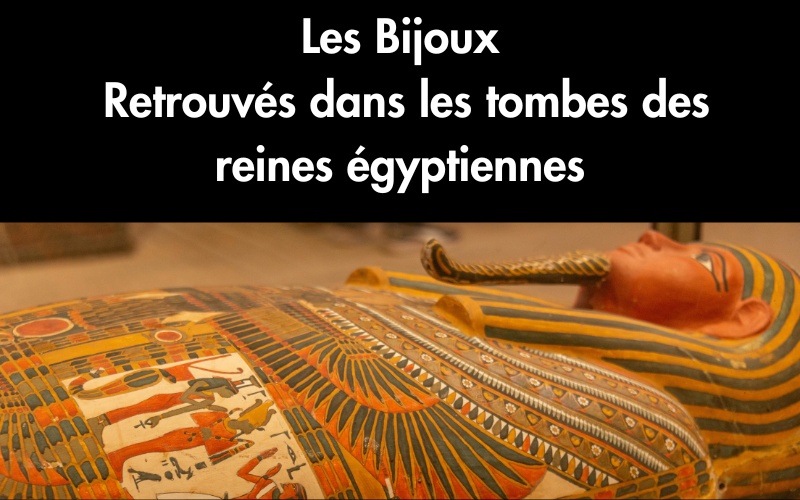
The jewelry found in the tombs of Egyptian queens reveals the funerary beliefs of ancient Egypt. These adornments of gold and precious stones symbolized royal power and protected the sovereign in the afterlife.
Religious festivals in ancient Egypt
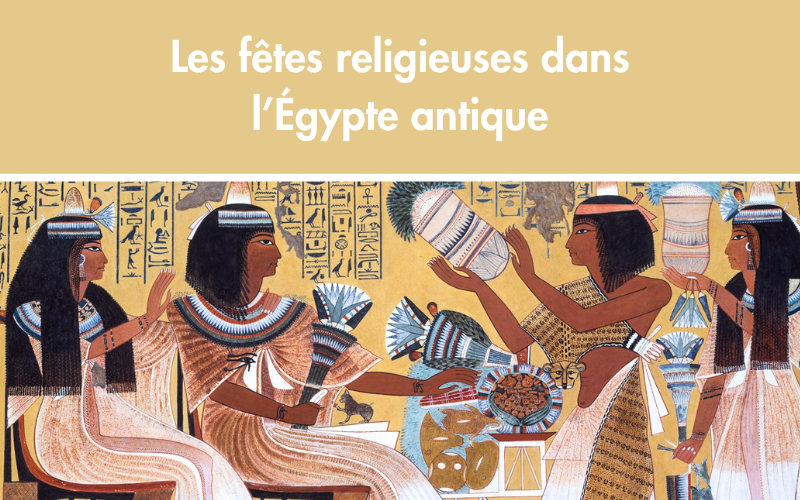
Religious festivals in ancient Egypt honored the gods and maintained cosmic order. Processions, rituals, and offerings brought the population together around the temples. These celebrations strengthened social cohesion and affirmed the pharaoh's sacred role in protecting the kingdom.

The Valley of the Kings in Egypt: the pharaohs' final resting place
The Valley of the Kings, near Luxor, is the famous necropolis of the New Kingdom pharaohs. Its rock-cut tombs reveal the funeral beliefs, treasures, and exceptional architecture of ancient Egypt, which are still being studied by archaeologists today.

The obelisk: a symbol of power and divine connection
Obelisks are iconic monuments of ancient Egypt that symbolize both the power of the pharaohs and the connection to the divine. Their history, solar symbolism, and architectural influence continue to inspire modern civilizations around the world.

The role of archaeologists in Egyptian heritage
Archaeologists protect and study Egyptian heritage, from excavation to conservation. Their work ensures the transmission of a millenary legacy in the face of modern challenges.

How were the pyramids built?
The pyramids of Egypt were the result of methodical organization, a skilled workforce, and ingenious techniques adapted to their era. They are a testament to the architectural genius and power of ancient Egypt.

What do Egyptian sarcophagi teach us about the pharaohs?
Egyptian sarcophagi reflect the power and divine dimension of the pharaohs. They testify to the funerary beliefs and political organization of ancient Egypt.

How did ancient Egypt draw inspiration from spirituality?
Spirituality shaped the civilization of ancient Egypt, from the power of the pharaoh to funeral rites. This article explores the influence of the gods, myths, and the afterlife on all of Egyptian society.

The role of priests in Egyptian society
Priests held a central place in Egyptian society, bridging religion, administration, knowledge, and power. Their influence durably structured the spiritual, political, and cultural balance of the kingdom.

The spiritual role of temples in ancient Egypt
Ancient Egyptian temples were sacred sites dedicated to the gods. They maintained cosmic order, legitimized the pharaoh, and structured the religious and social life of the kingdom.

Why did Egyptian gods have animal heads?
Egyptian gods with animal heads symbolized specific natural forces and divine qualities. This hybrid representation reflected a spiritual view of the world, where nature, the sacred, and the cosmos were closely linked in Egyptian religious thought.

How are the Egyptian gods worshipped today?
Egyptian gods are still honored today through neo-paganism, private altars, and protective symbols. Their worship has adapted to the modern world while retaining its symbolic power.

Why did the pyramids have a triangular shape?
The pyramids had a triangular shape to ensure optimal stability and support millions of blocks, like the Great Pyramid of Giza. This shape also symbolized the sun rays of the god Ra and the pharaoh's ascent to the sky.

The 9 gods of the Ennead of Heliopolis: a complex pantheon
The 9 gods of the Ennead of Heliopolis explain the creation of the world, cosmic order, and the role of the pharaoh in ancient Egyptian mythology, through a structured and symbolic pantheon.

How did the Egyptians view the afterlife?
The Egyptians viewed death as a passage to eternity. They believed in the preservation of the body, the judgment of the soul, and a journey through the Duat, where mummification, the weighing of the heart, and access to the Field of Reeds played an essential role.

The mysteries of the Sphinx: guardian of the pyramids or divine enigma?
Discover the mysteries of the Great Sphinx of Giza through its origins, its role as guardian of the pyramids, and its interpretation as a divine enigma, bridging royal symbolism, solar beliefs, and archaeological theories.

Hieroglyphs engraved on monuments: what do they tell us?
The hieroglyphs carved onto Egyptian monuments reveal a sacred script rich in religious narratives, royal names in cartouches, and scenes of daily life. Thanks to major discoveries such as the Rosetta Stone.

The Hidden Secrets Inside the Egyptian Pyramids
The pyramids of Egypt house chambers, passages, and sacred texts that reveal a complex architecture and spirituality. Despite looting, certain discoveries and modern technologies show that their secrets have not yet been fully elucidated.

Jessica Chastain and Egyptian Jewelry: A Trend to Follow
In this article, we explored the allure of Egyptian jewelry and its potential for inspiration, including for celebrities like Jessica Chastain, thanks to its bold aesthetic and powerful symbolism.

How to Identify Authentic Egyptian Jewelry
Learn how to recognize an authentic Egyptian piece of jewelry using specific historical and artisanal criteria. Discover the sacred symbols, noble materials, and quality elements to check. A complete guide to avoiding imitations and buying with confidence.

The Book of the Dead: A Guide to the Soul in the Egyptian Afterlife
The Book of the Dead is an ancient Egyptian funerary collection intended to guide the soul in the afterlife. Through its spells, it prepares the deceased for the judgment of Osiris and the weighing of the heart. It reveals a moral vision based on Maat, a principle of balance and justice.

The hidden treasures in Tutankhamun's tomb
Discovered in 1922, Tutankhamun's tomb revealed exceptional treasures: a gold mask, sacred jewelry, weapons, and royal furniture. Preserved almost intact, it offers unique insight into the beliefs and grandeur of ancient Egypt.

The Myth of Osiris and Isis: A Story of Love and Resurrection
The Myth of Osiris and Isis tells a foundational story of ancient Egypt blending love, betrayal, and resurrection. Through the death of Osiris, the quest of Isis, and the victory of Horus, it explains the belief in the afterlife, royal legitimacy, and the triumph of order over chaos.

Pyramids of Giza: mysteries, history, and technical feats
The Pyramids of Giza are impressive for their architectural prowess and the mysteries that still surround them. They embody the power, knowledge, and ingenuity of ancient Egypt, all while continuing to fuel fascination around the world.

How did the Egyptians practice their religion?
In ancient Egypt, religion structured society around Ma'at and guided daily life. Rituals, temples, and festivals maintained the connection between humans and the gods, even in the afterlife.

The 12 Gates of the Realm of the Dead in Egyptian Mythology
The 12 Gates of the kingdom of the dead recount Ra's nocturnal journey through the Duat and symbolize the soul's path toward eternity. Originating from Egyptian funerary texts, they illustrate the struggle against chaos, moral judgment, and solar rebirth.

The Powerful Symbolism of Egyptian Jewelry and Its History
Egyptian jewelry symbolized protection, rebirth, and immortality. Through their sacred materials and powerful motifs, they connected the human to the divine. Their legacy continues to influence modern jewelry.

The Egyptian Scarab: Symbol of Renewal and Protection
The Egyptian scarab is a powerful symbol of rebirth and protection in ancient Egypt. Associated with the god Khepri and the rising sun, it embodies perpetual renewal, transformation, and the eternal cycle of life.

The 7 Egyptian pieces of jewelry for spirituality enthusiasts
This article presents 7 essential Egyptian pieces of jewelry for spirituality enthusiasts. Each piece, such as the scarab bracelet or the Eye of Horus pendant, combines powerful symbolism with refined aesthetics, offering protection and a connection to sacred energies.
Miss France and Egyptian Jewelry: A Trend to Watch
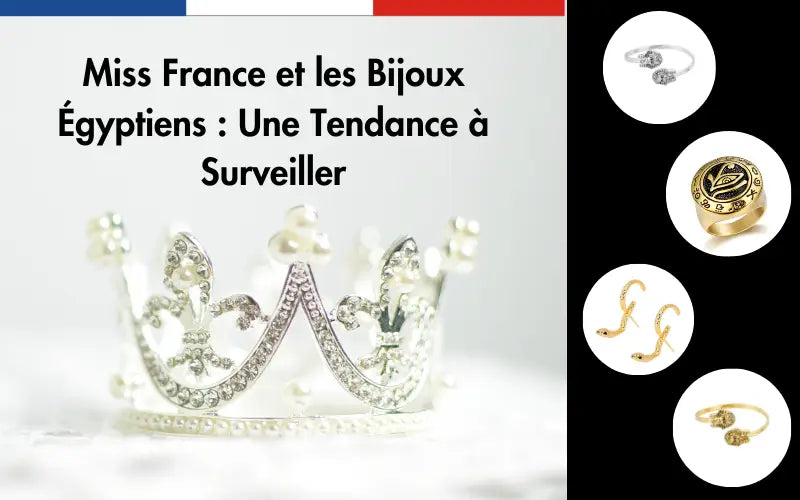
This article explores the idea that Miss Frances could adopt Egyptian jewelry, renowned for its powerful symbolic motifs such as the Eye of Horus, the ankh, and the scarab. While remaining faithful to a modern style, these accessories combine history and elegance. The article examines the reasons why these pieces, rich in profound meaning, could perfectly complement the sophisticated and timeless image of Miss Frances, without confirming whether they actually wear them.
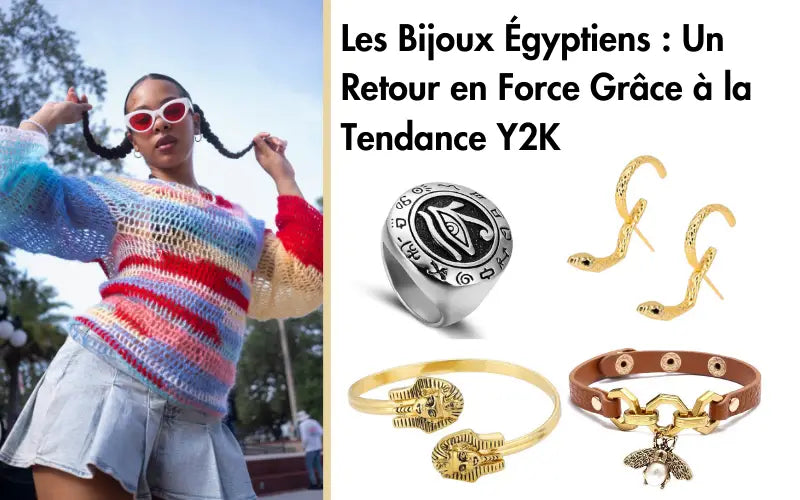
Egyptian Jewelry: A Major Comeback Thanks to the Y2K Trend
The Y2K trend is putting Egyptian jewelry back in the spotlight, thanks to its bold and timeless aesthetic. Combining historical symbolism with modernity, these pieces appeal through their precious materials like gold and lapis lazuli, and their iconic motifs such as the scarab or the Eye of Horus. Versatile, they easily integrate into minimalist, evening, or office looks. Highly visible on Instagram and TikTok, they have become essential for fans of vintage fashion and Y2K style.

Why did the Egyptians mummify their dead?
The Egyptians mummified their dead to preserve their bodies and allow their souls to survive in the afterlife. This ritual, linked to their belief in eternal life, was reserved for the elite and accompanied by complex spiritual and social practices.

The 5 Jewelry Trends You Can't Miss in 2025
In 2025, jewelry blends heritage and modernity with boldness. Egyptian inspirations, statement pieces, sculptural shapes, unisex designs, and revisited pearls are the major trends of the year.

Constellations and Spiritual Alchemy
This article explores constellations and spiritual alchemy, their symbolism, and their practices. It shows how observing the stars and using alchemical metaphors can enrich daily life and foster personal evolution.

Celebrities are Crazy About Egyptian Jewelry
Egyptian jewelry is fascinating for its history, symbols, and aesthetic. Worn today by celebrities, these pieces combine tradition and modernity, creating a unique and captivating style on red carpets and social media.

The mysteries of lithotherapy in ancient Egypt
In ancient Egypt, lithotherapy used stones to protect, heal, and harmonize the body and mind. Used in rituals, jewelry, and sacred objects, they symbolized a connection to the gods and spirituality, a legacy that still influences modern lithotherapy.

The Influence of Egyptian Jewelry
Egyptian jewelry combines art, spirituality, and power. It provided protection, signified social status, and accompanied funerary rites. Its aesthetics and symbolism continue to influence modern fashion and jewelry.

The 5 Trendiest Egyptian Jewelry Pieces
Egyptian jewelry captivates with its strong symbolism and timeless elegance. From the Ankh to the scarab, these iconic pieces blend ancient heritage with modern trends to suit contemporary styles.

Egyptian Jewelry: How to Style Them
Egyptian jewelry combines aesthetics, symbolism, and history. Each piece tells a story and reflects a unique identity. They can be worn daily or for special occasions, adding elegance and meaning to any outfit.

Cleopatra: The Queen of Egyptian Jewelry
Cleopatra, the last queen of Egypt, left her mark on history through her intelligence, power, and iconic jewelry. Her adornments, rich in symbols and precious materials, reflected both the spirituality and the royal authority of ancient Egypt.

Tutankhamun: The Pharaoh of Treasures
Tutankhamun, the pharaoh of treasures, is famous for his intact tomb discovered in 1922. His gold objects and symbols reveal the splendor of ancient Egypt and its funerary practices. This article explores his life, his reign, his treasures, and the cultural and scientific impact of his discovery.

The Egyptian Serpent: Symbol of Power and Protection
The Egyptian serpent is a symbol of power, protection, and regeneration. Present in art, amulets, and religious texts, it embodies the divine protection of the pharaohs and the regeneration of life after death.

Egyptian Gold-Colored vs. Silver-Colored Jewelry: The Great Debate
Gold and silver Egyptian jewelry held an important place in ancient Egypt. It symbolized power, spirituality, and social status. Gold represented divinity and eternity, while silver evoked the moon, protection, and balance.

How to Maintain Egyptian Jewelry
Egyptian jewelry requires delicate care to preserve its beauty, materials, and historical value. Gentle cleaning, proper storage, and careful handling help ensure these symbolic pieces last for a long time.

How to Choose the Perfect Amulet
Amulets are symbolic objects worn for protection, good luck, or as personal touchstones. This guide explains their meaning, the most well-known symbols, and the essential criteria for choosing an amulet suited to your intention, style, and daily use.

Egyptian Bracelets: Tradition and Modernity
Egyptian bracelets reflect an ancient heritage blending symbolism, spirituality, and refined craftsmanship. Their evolution to this day shows a lasting influence on fashion, art, and contemporary trends.

The Eye of Horus Pendant: A Must-Have in Egyptian Jewelry
This article explores the Eye of Horus pendant, an iconic piece of Egyptian jewelry. As a symbol of protection, healing, and power, the pendant draws attention not only for its refined aesthetic, but also for its symbolic potency.